


Samples for a Trade Show: Turn Them First, Cold-Head the Production Run

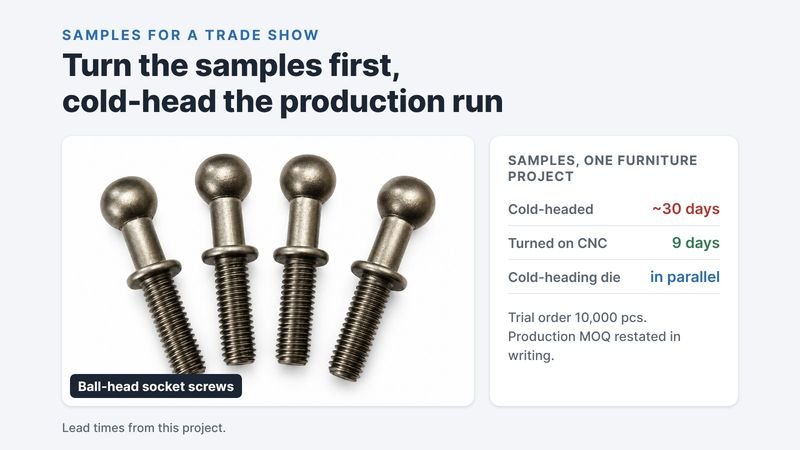
Short answer: When samples are needed for a trade show and cold-heading tooling would take too long, turn the samples on CNC and make the cold-heading die at the same time. The turned samples show the design at the show. The cold-headed parts carry the production price. Put in writing which conditions apply only to the rush.
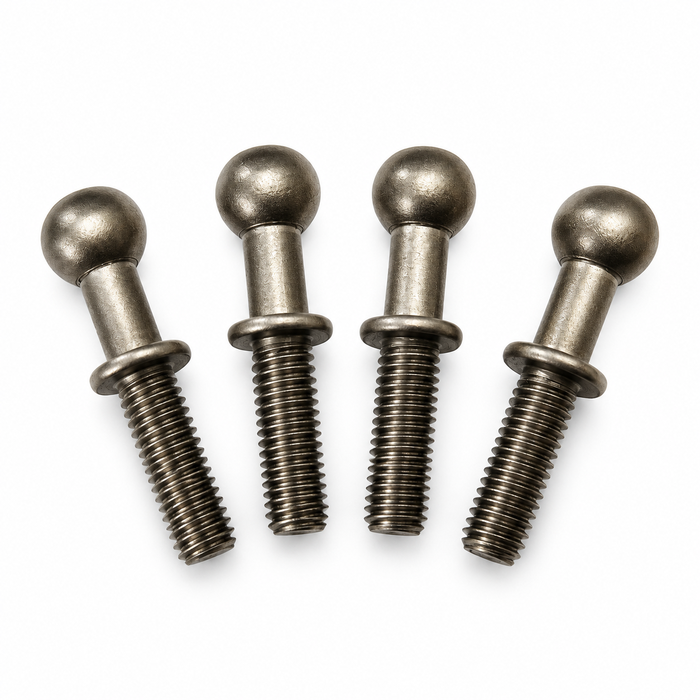
The case: stainless fasteners for a furniture brand’s show
A furniture brand needed custom stainless steel fasteners in time for a trade show. Cold-headed samples normally take us about 30 days, because the die has to be made first. That would have missed the show, so the delivery date came before everything else.
We turned the samples on CNC and delivered them in 9 days. At the same time we started the cold-heading die, so production would not have to wait for the samples to be approved.
When the requests kept coming
While the samples were being made, the customer added requests: a flange edge that is not sharp, a natural radius at the corner, a matte finish, a particular thread condition. Rather than promise each one as it arrived, we sorted them internally into what was feasible and what each would do to the delivery date, then gave the customer a short list of options to choose from.
We also did not wait for the customer’s sample tests before preparing the production order. Both moved in parallel.
The result
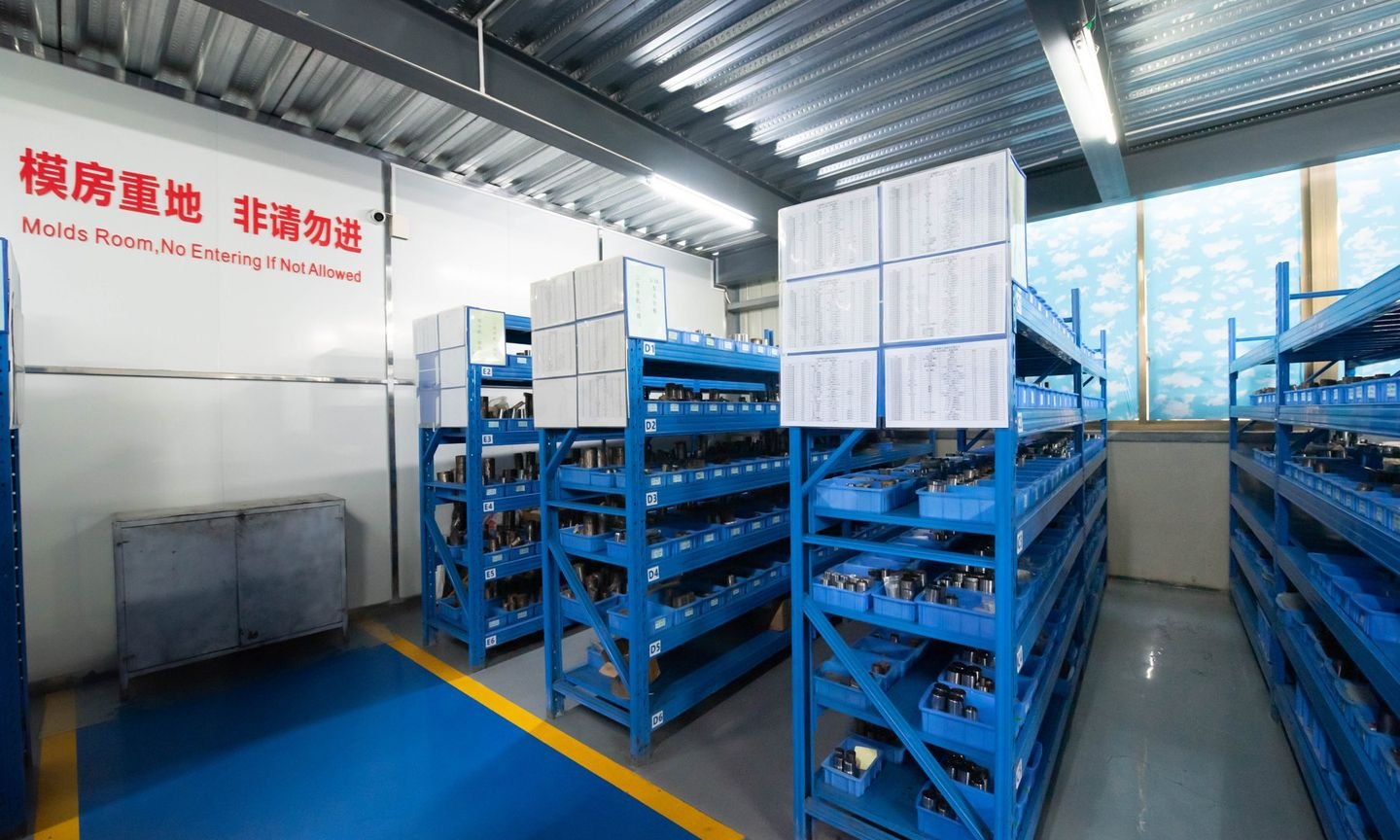
The customer placed a paid trial order of 10,000 pieces. In the same exchange we stated in writing that normal production returns to our usual minimum quantity for cold-headed parts. The rush was a one-off, and both sides knew it.
Turned or cold-headed: what each is for
- Cold heading needs a die and a minimum quantity, and gives the lower piece price in production.
- CNC turning needs no die and can make a small quantity quickly, but the price per piece is clearly higher.
- For a show, the turned sample only has to look and fit like the production part. Agree which features must match exactly.
What to tell your supplier when you have a show date
- The show date, and the date the samples must be in your hands.
- Which features are fixed, and which may still change after the show.
- The trial quantity and the expected production quantity.
- Whether turned samples are acceptable for display.
If you have a show coming up, send the drawing and the dates through our RFQ form. We will tell you what can be ready by when, and what changes once production starts.
Related: cold heading vs CNC machining for custom fasteners · custom fasteners made to your drawing
How this was written: the case comes from our customer records. The 30-day and 9-day lead times are from this project. The customer is not named.