


“Flat Head” Means Two Different Heads: Write Countersunk on a Metric Drawing

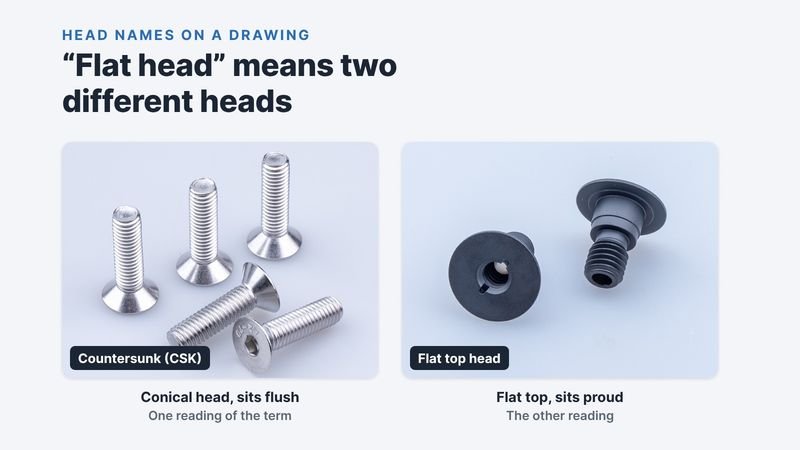
Short answer: In inch practice, flat head usually means a countersunk head — a cone that sits flush with the surface. A reader working to metric practice may instead picture a head with a flat top that stands proud of the surface. Both readings are ordinary in their own market, so the term on its own is not safe to quote from — and the market a drawing came from does not settle it either. The geometry on the drawing does. On any drawing or enquiry that is not in inch practice, write Countersunk, or CSK, and the ambiguity disappears.
The two heads, and what each one needs from the hole
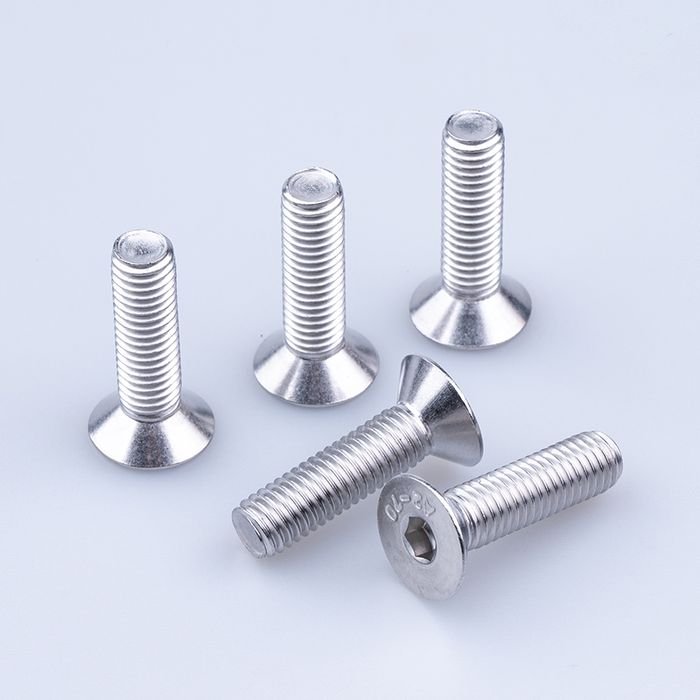
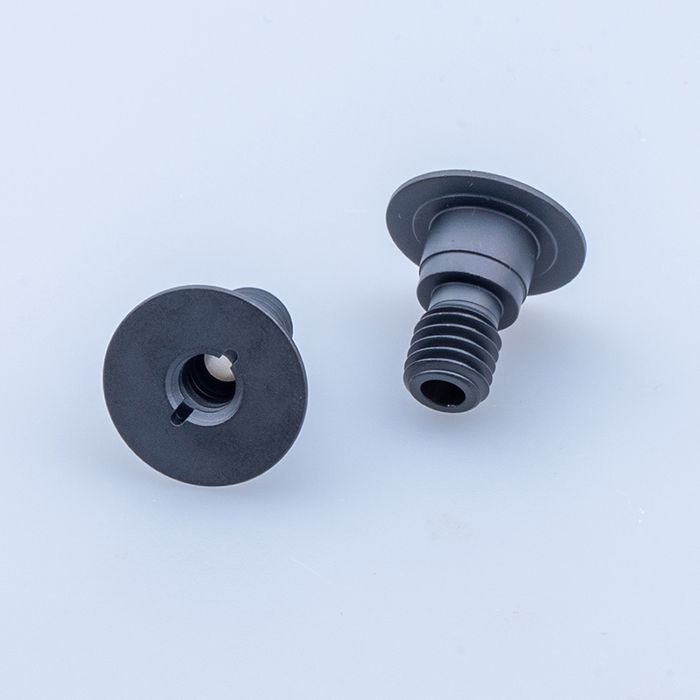
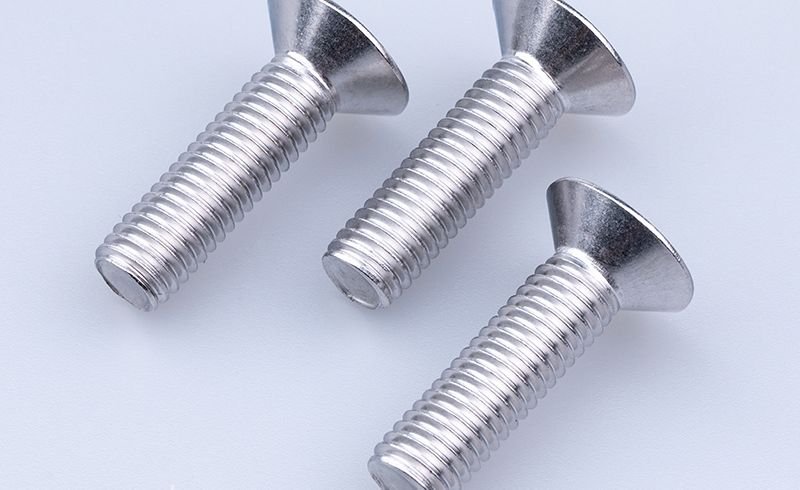
A countersunk head is a cone. It needs a countersink in the mating part, cut to a matching included angle, and it is chosen when the fastener has to finish flush or below the surface. A flat-topped head bears on a flat face. It needs a plain hole and a clean seating face, and it is chosen when height above the surface is acceptable or wanted, often with a flange to spread the load.
That means the term is not only a naming problem. Read the wrong way, it changes the hole in the customer’s own part: a countersink where a flat seat was planned, or a flat seat where the assembly needed the fastener flush. By the time the sample arrives, the tooling for the mating part may already exist.
Why the term is still in circulation
Because inside each market it is not ambiguous at all. An inch-practice catalogue listing flat head socket cap screws is perfectly clear to the engineers who work from it, and a European supplier listing a flat-topped head under the same English words is equally clear to their own customers. The ambiguity only appears in the traffic between them — which is exactly where an export RFQ lives. Machine translation does not help: it will happily render either reading into Chinese as a confident, specific term.
What to write instead
- Countersunk (CSK) when the head is a cone and has to sit flush. Add the included angle of the cone, because that is what has to match the countersink in your part.
- Flat head only on a drawing that is explicitly in inch practice, and even then it is worth adding countersunk in brackets.
- Name the drive separately. Countersunk heads come with hex socket, Phillips, Pozidriv or Torx recesses; the head shape does not imply the drive.
- Say flush or proud. One sentence about what the head has to do in the assembly outranks any term: “must finish flush with the panel” cannot be misread.
- Send a photo or a sketch if the part exists in any form. A side view of the head ends the question immediately.
How we handle it on an enquiry
When an enquiry says flat head and does not say which market the drawing comes from, we ask before quoting rather than picking the reading that suits us. We do not infer the head from the market a drawing came from: we confirm it against the geometry on the drawing, a section view, or a sample, and where none of those settle it we ask. In our own English, outgoing documents say countersunk (CSK) regardless of the destination, so the word we send out is never the ambiguous one. This is the same discipline as keeping Pozidriv and Phillips apart, which we wrote about in PZ2 cannot be made as PH2.
It belongs in the same group as the other drawing items a European hardware buyer expects to see spelled out, which we listed in what a European furniture-hardware drawing asks for.
If you are redrawing a part for a new market
Check the head callout first, before the thread and the finish. It is the item most likely to have been carried over from a catalogue in the other system, and the one that forces a change to the mating part rather than to the fastener. If you are not sure which head the original was, send us the old part or a photo of it and we will say which one it is, with no obligation to quote.
Send the drawing or the photo through our RFQ form and say which market the assembly is built for.
Related: custom fasteners made to your drawing · 1/4-28 UNF is not M6
How this was written: the naming rule is from our internal English-Chinese terminology notes for new staff, reviewed in July 2026. The screws shown are our own products. No customer, industry or country is named, and no countersink angle is quoted, because that belongs to your drawing.