



Drawn From a Sample: Which Tolerances to Loosen Before You Ask for a Quote


Short answer: A drawing made by measuring a sample records what one part measured, with the measuring error included. If every measured value goes onto the drawing with a tight tolerance, the drawing asks for more than the part needs, and the quote either rises or comes back with exceptions. Before you ask for a quote, mark which dimensions decide the fit and give the rest a tolerance the process holds routinely.
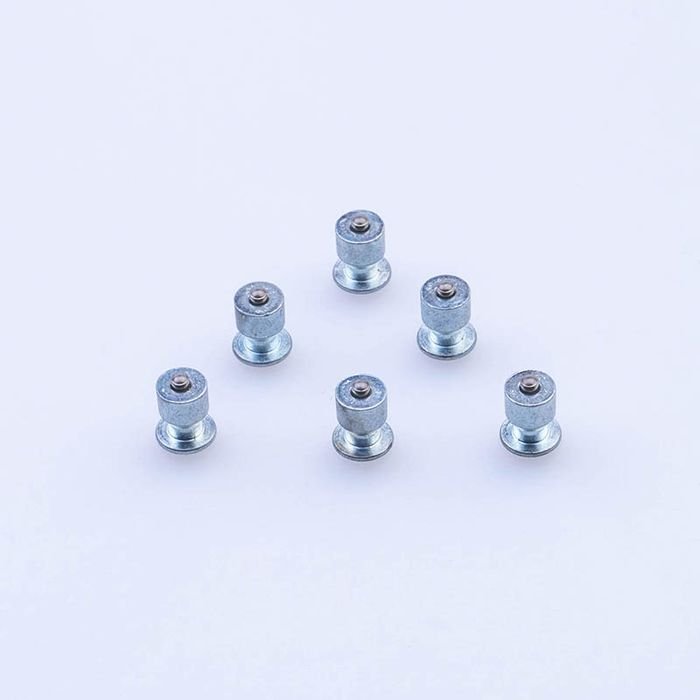
The case: a tire-stud drawing measured from a sample
A trading company asked us about tire studs, a part we produce regularly. We quoted, and heard nothing for three months. Then the customer came back with a drawing. They had made it by measuring a sample, and it showed: many tolerances were tighter than the part needed, and some values carried measuring error.
We went through the drawing line by line and gave a suggestion for each dimension, based on how the part is actually made: which tolerances should stay tight, which could not be held as drawn, and which could go back to a routine value.
The result
The customer redrew the drawing to our suggestions the next day, and placed a sample order the day after. For the first samples we adapted one of our existing dies, so the customer did not pay for a new one before the design was confirmed.
One point was left for the customer to decide. The hole in their design was larger than the size the market usually uses for this stud. We told them the usual size, and sent samples made to it, so they could compare the two before fixing the drawing.
Before you send a drawing measured from a sample
- Mark the dimensions that decide the fit, and give only those a tight tolerance.
- Round measured values to the nominal size they were meant to be. A sample that measures 7.96 mm was probably drawn as 8 mm.
- Give everything else a general tolerance class instead of a tight value per line.
- Send the sample itself with the drawing, so the supplier can check what you measured.
If you have a drawing like this, send it with the sample through our RFQ form. We will mark what we would loosen and what we would keep tight before we quote.
Related: custom fasteners made to your drawing · setting a pin diameter from the hole
How this was written: the case comes from our sales records (2026). The 7.96 mm value is an example, not a figure from the customer’s drawing. The customer is not named.