
How It Works
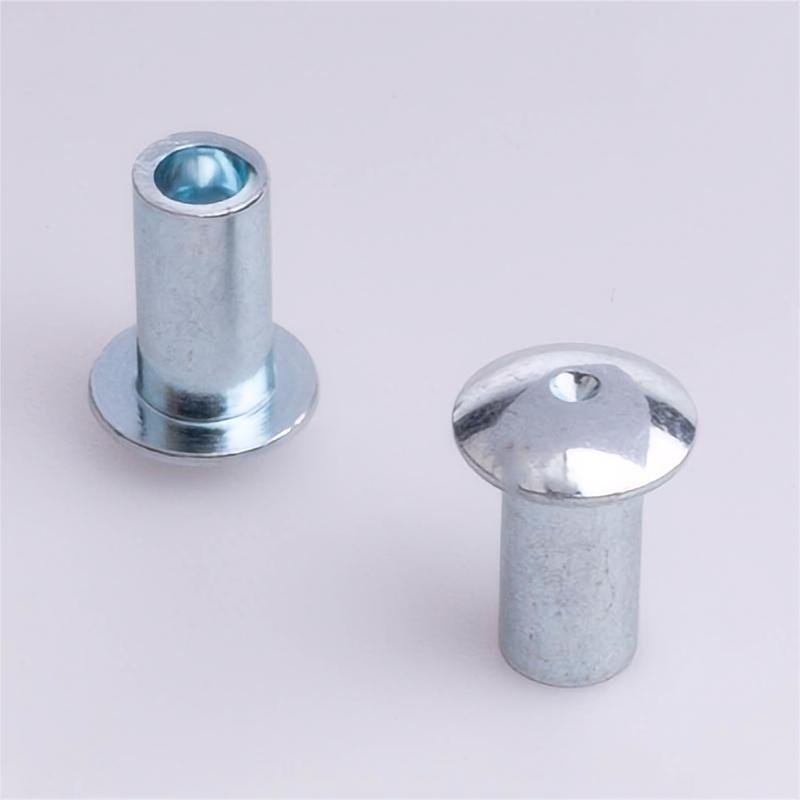
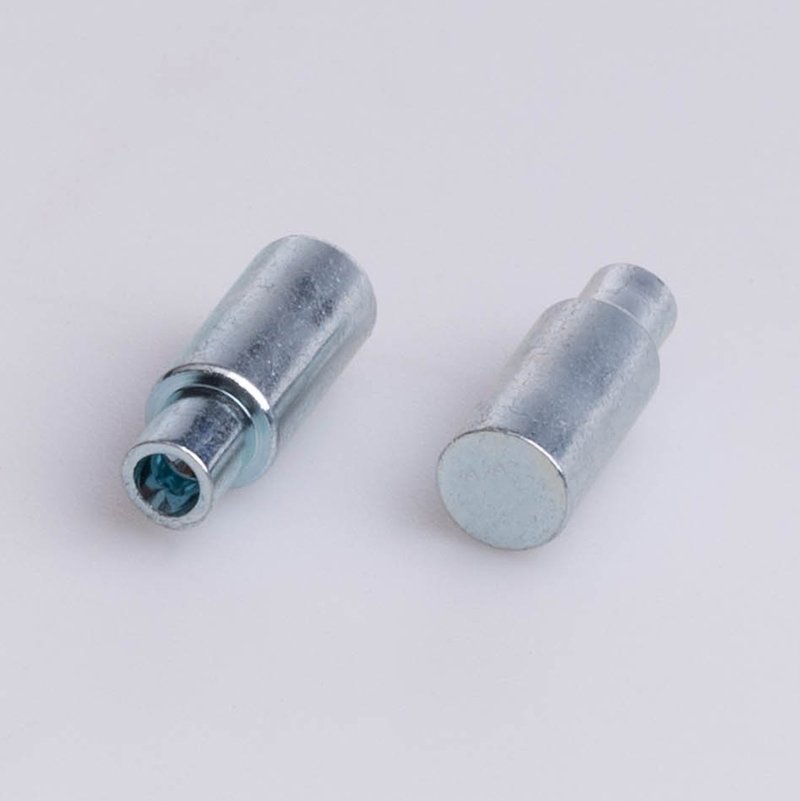
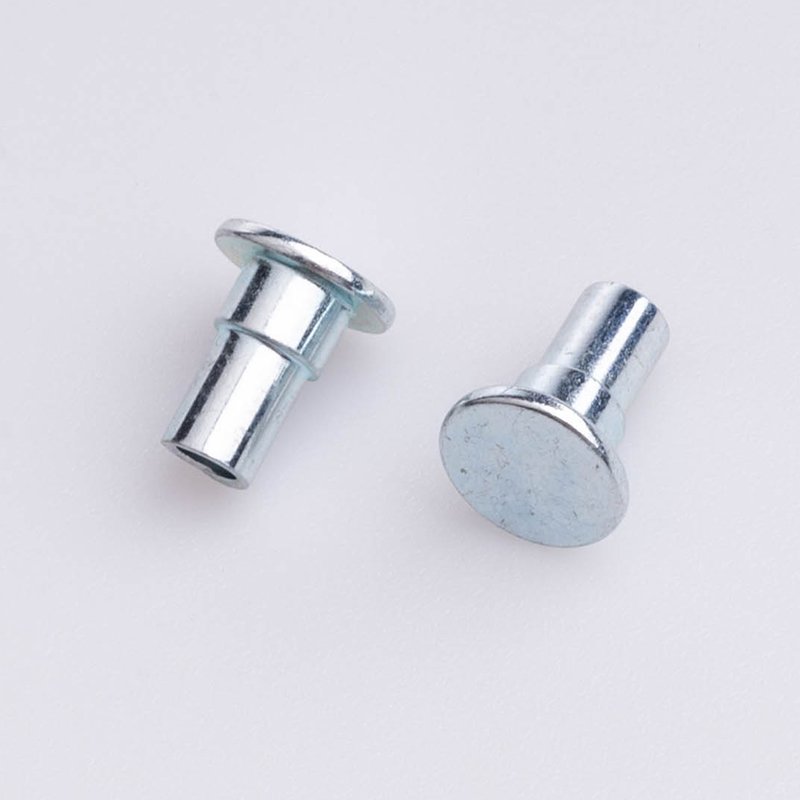
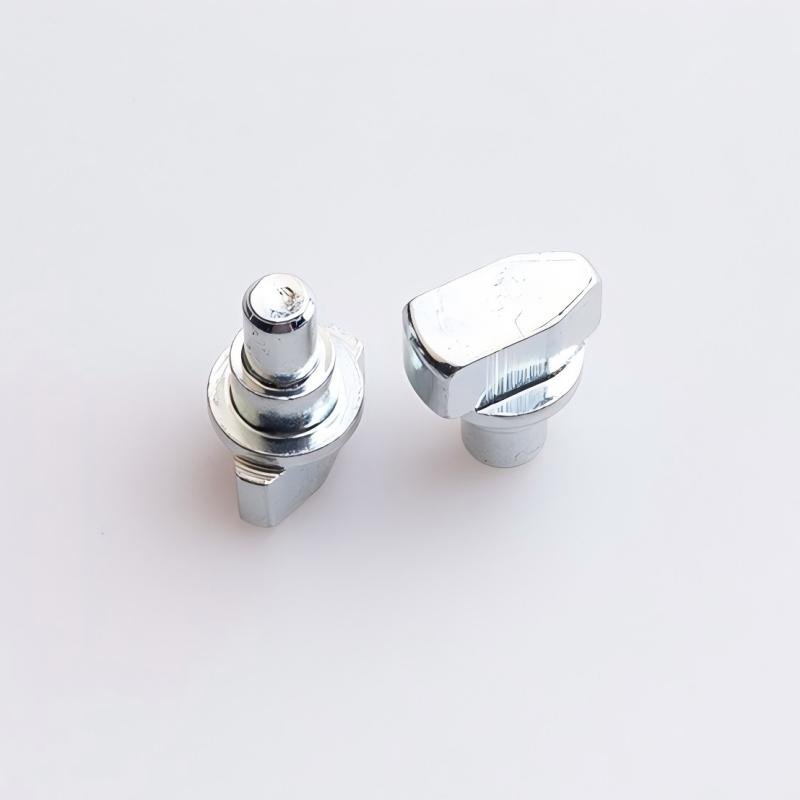
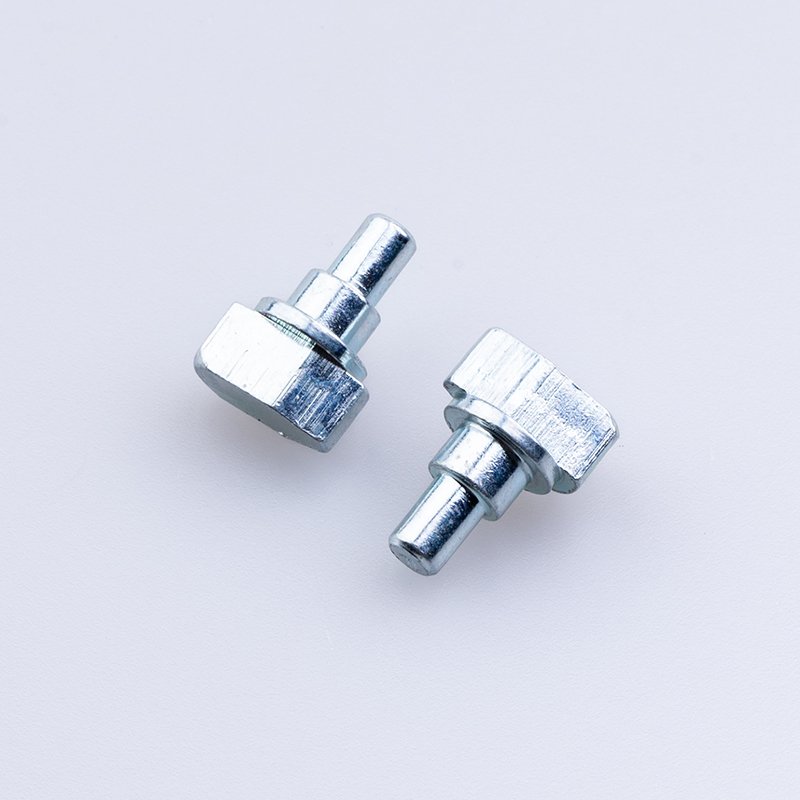
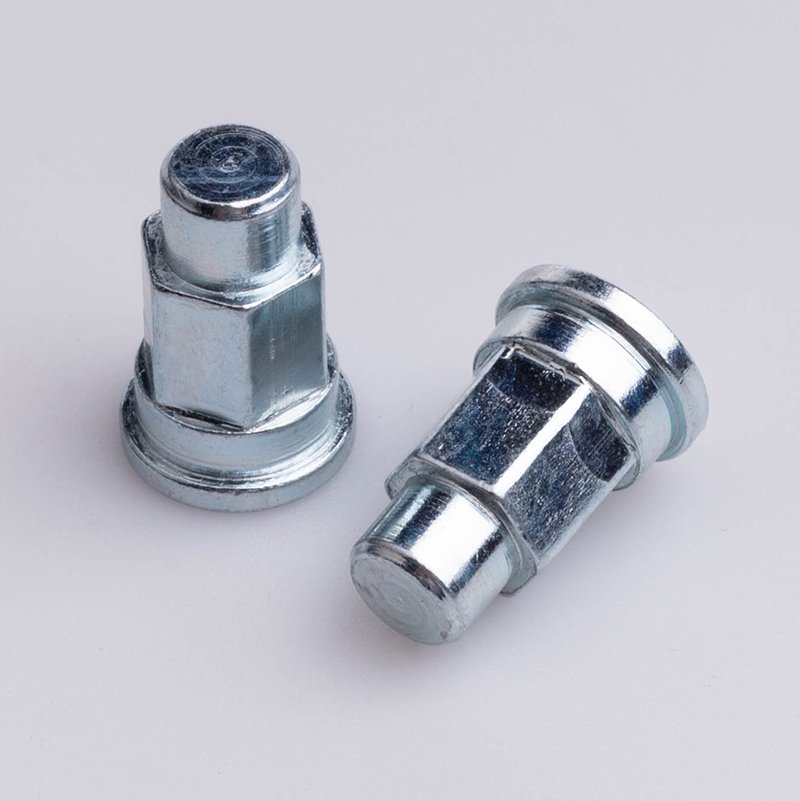
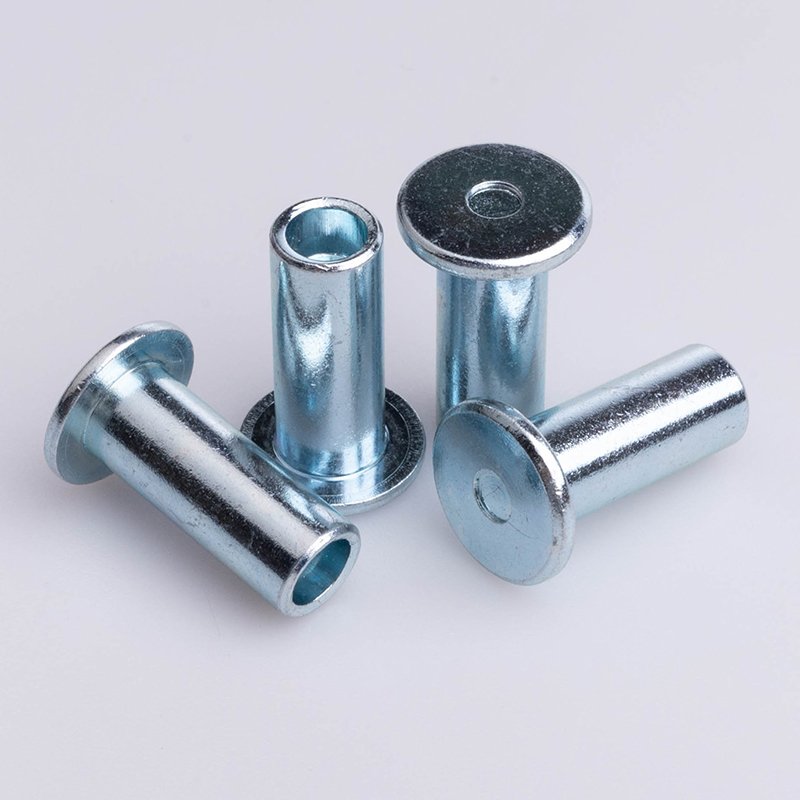
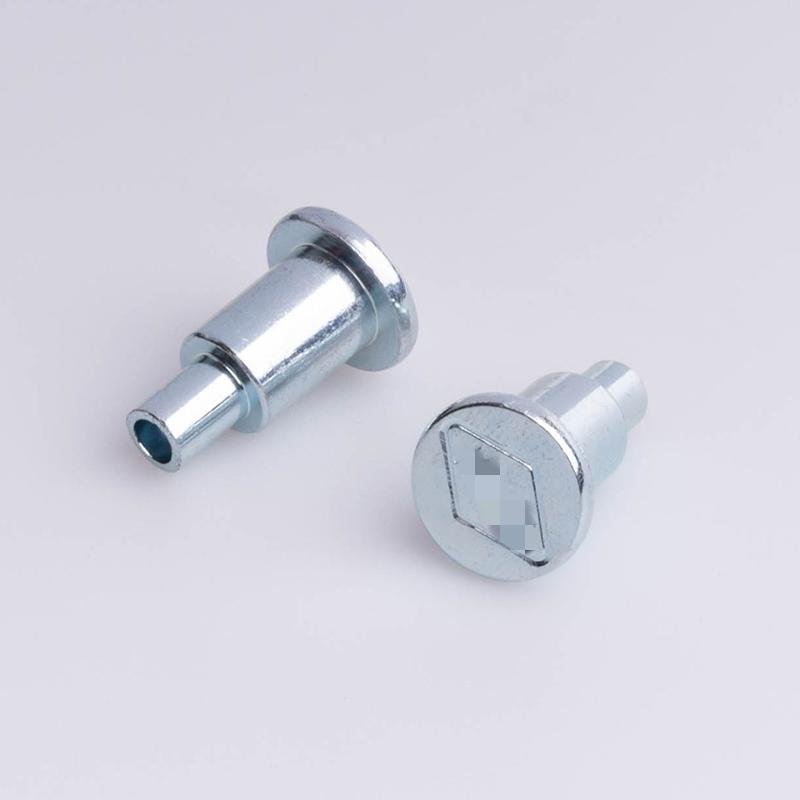
A shoulder rivet works by separating the fastening area from the functional working area of the part. During installation, the rivet end is formed to lock the assembly together, while the shoulder section remains as the controlled contact surface for rotation, spacing, or location. This makes shoulder rivets especially useful in assemblies where a standard rivet would create too much compression, insufficient clearance, or unstable movement. In custom designs, the relationship between shoulder size, body length, and rivet forming section is developed according to the real assembly structure and motion requirement.
Advantages
-
Defined functional shoulder
positioning inside the assembly.
-
Fast and efficient permanent assembly
Shoulder rivets are suitable for production environments where quick installation and consistent batch assembly are important.
-
Reduced part complexity
A single rivet can combine fastening, spacing, and pivot support in one component, reducing the need for separate pins, screws, or spacers.
-
Consistent assembly relationship
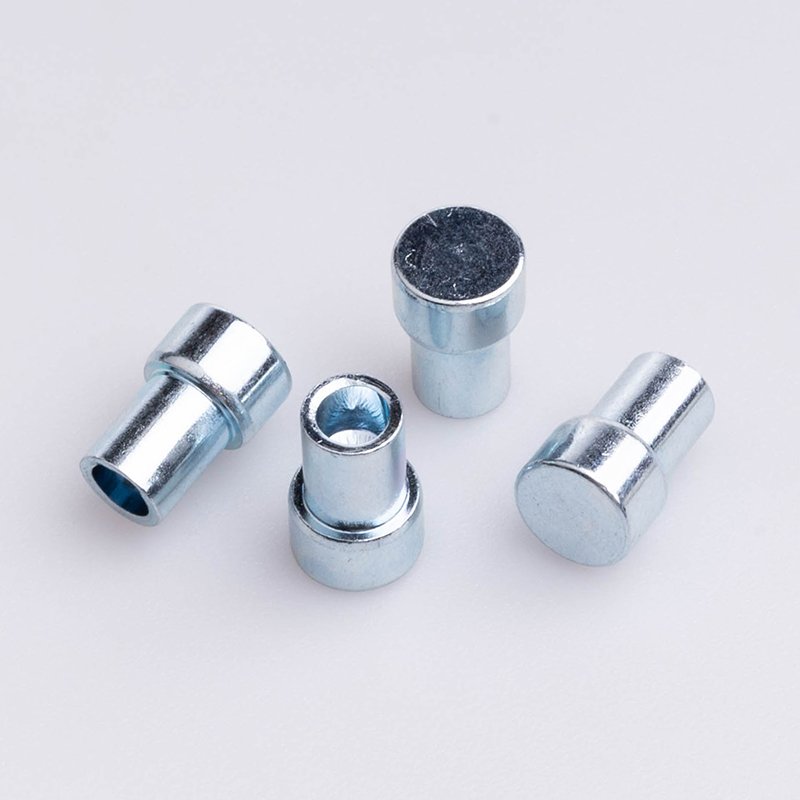
functional behavior across repeated production runs.
Industry Applications
Permanent Sheet and Bracket Joining
Pivot and Hinge Points
Applied where the rivet both holds the assembly and acts as the axis a part turns on. Body diameter and how tightly the end is formed set how freely the joint moves, so both are specified rather than left to the setting process.
High-Volume Assembly
Suitable for lines where parts are fed and set automatically. Head shape, body length and material condition are controlled so forming behaviour stays the same across batches.