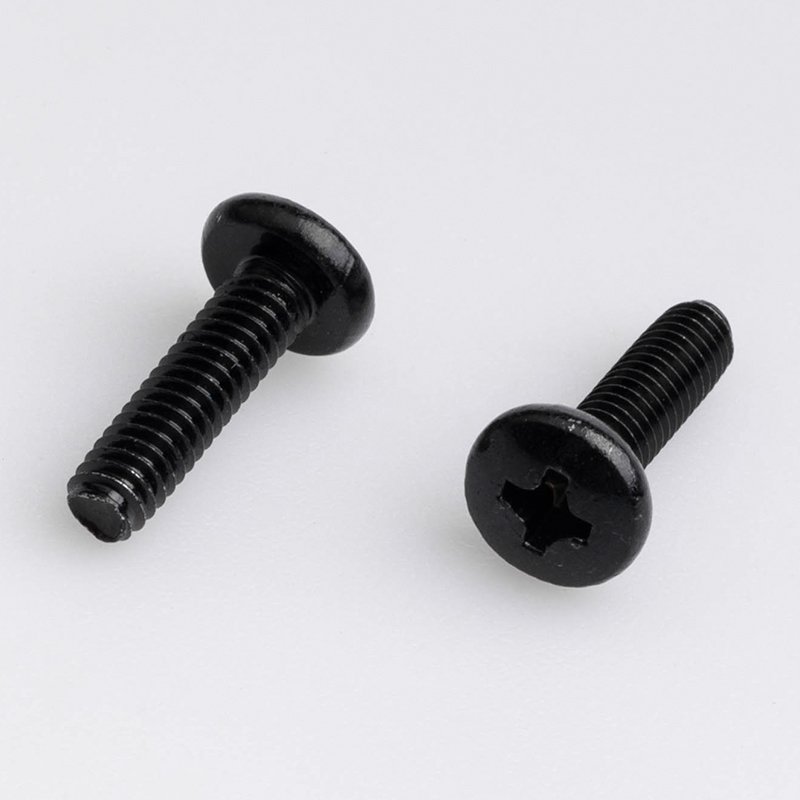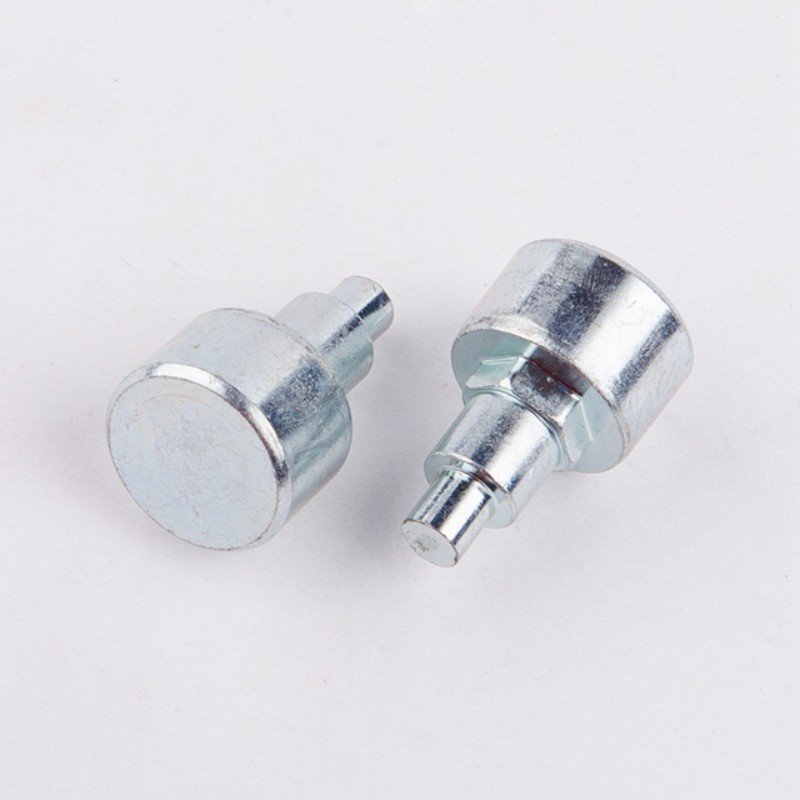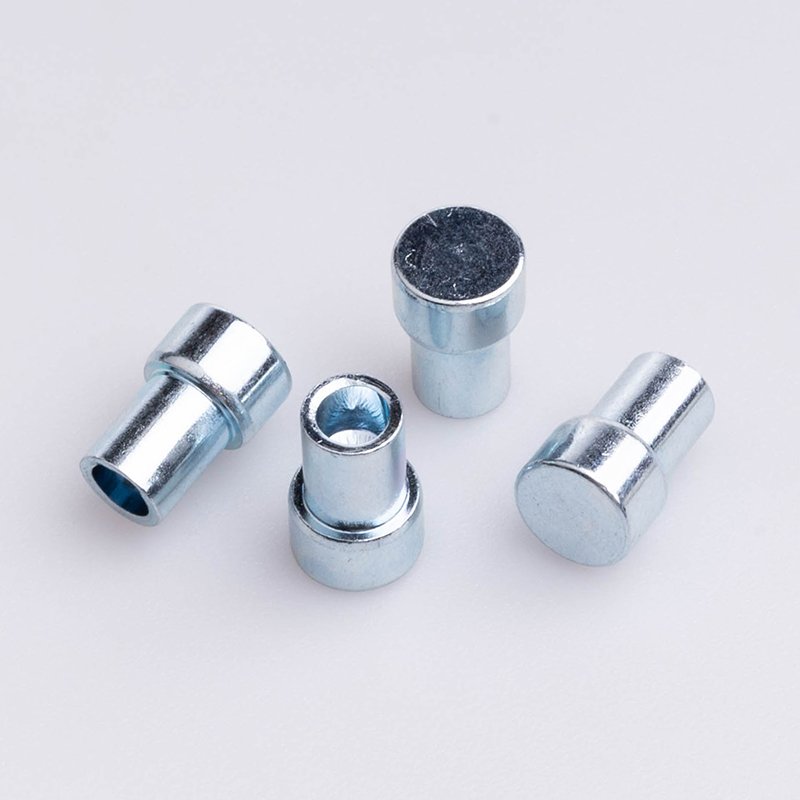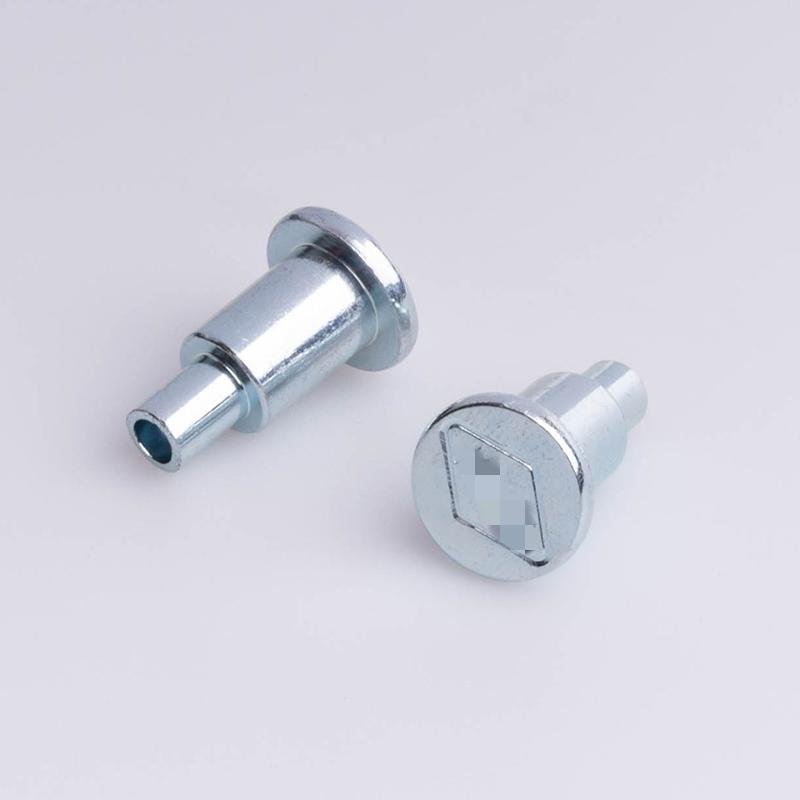

Custom Semi Tubular Rivets

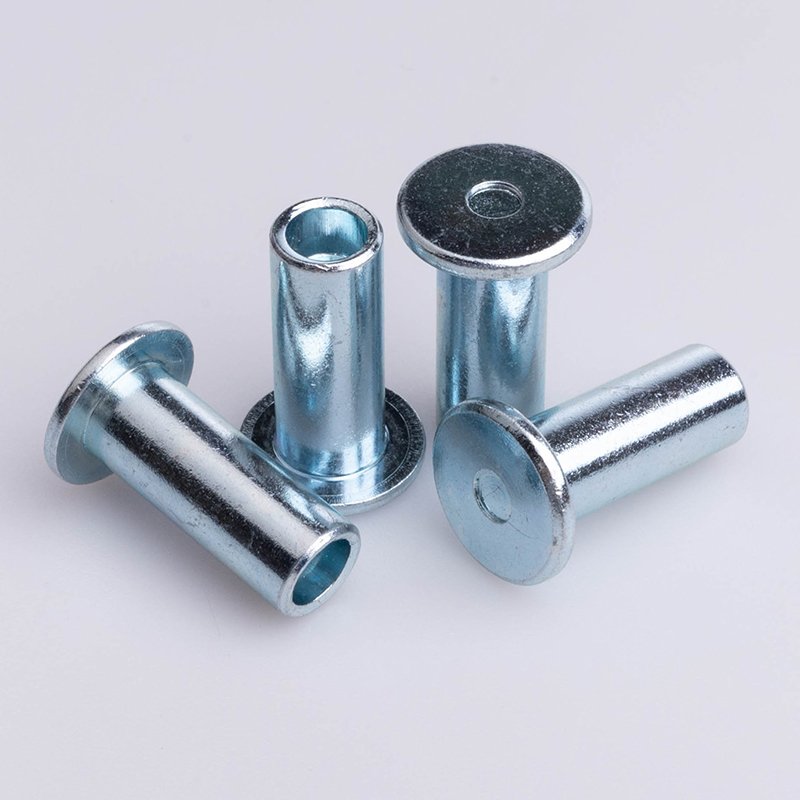
Rivets create permanent or semi-permanent joints where compact assembly, pivoting, or material retention is required.

E-mail

info@tfscrew.com

WhatsApp

+86 137 2823 7231

Phone

+86-769-22239617

Request a Quote Now

For technical consultations, solutions, and other inquiries regarding our products, please fill out the form below and click the “Submit” button. We will contact you as soon as possible.

Drag & Drop Files, Choose Files to Upload

How It Works

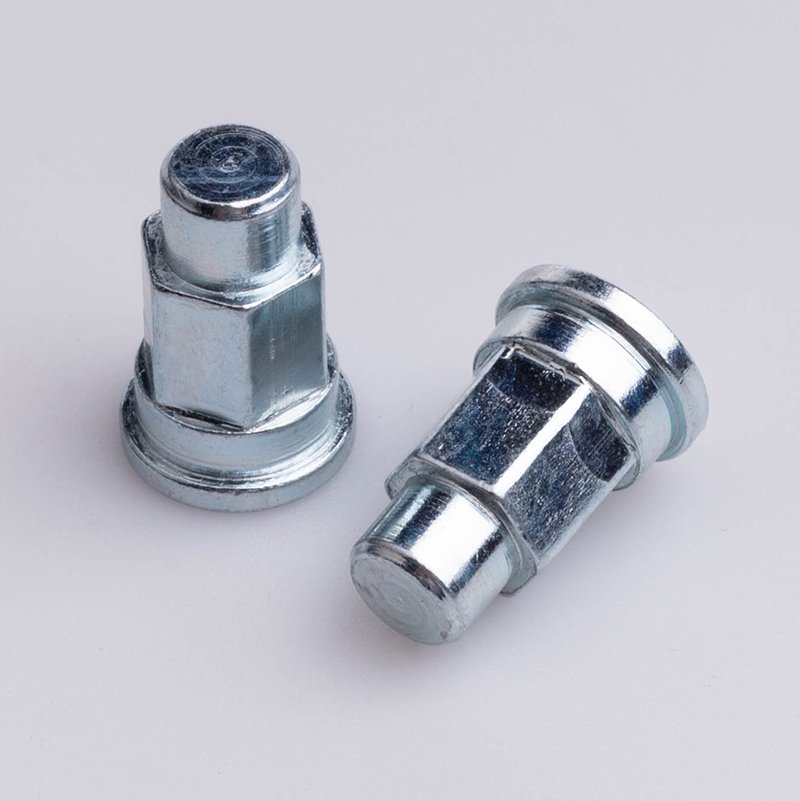
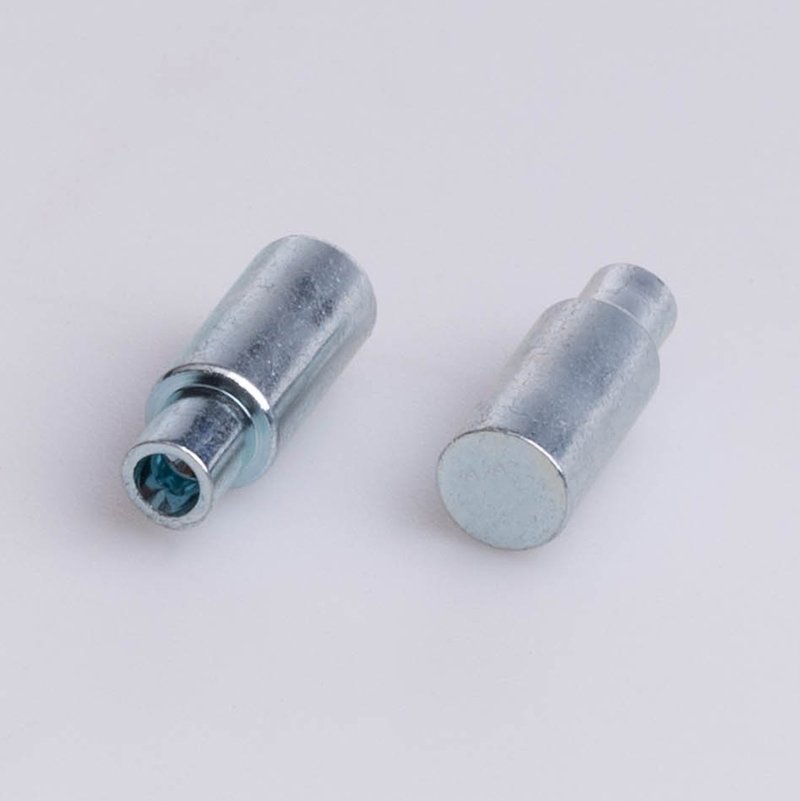
A shoulder rivet works by separating the fastening area from the functional working area of the part. During installation, the rivet end is formed to lock the assembly together, while the shoulder section remains as the controlled contact surface for rotation, spacing, or location. This makes shoulder rivets especially useful in assemblies where a standard rivet would create too much compression, insufficient clearance, or unstable movement. In custom designs, the relationship between shoulder size, body length, and rivet forming section is developed according to the real assembly structure and motion requirement.

Advantages

  • Defined functional shoulder
The shoulder creates a controlled working section between joined parts. This helps support spacing, guided movement, or stable
positioning inside the assembly.
  • Fast and efficient permanent assembly

Shoulder rivets are suitable for production environments where quick installation and consistent batch assembly are important.

  • Reduced part complexity

A single rivet can combine fastening, spacing, and pivot support in one component, reducing the need for separate pins, screws, or spacers.

  • Consistent assembly relationship
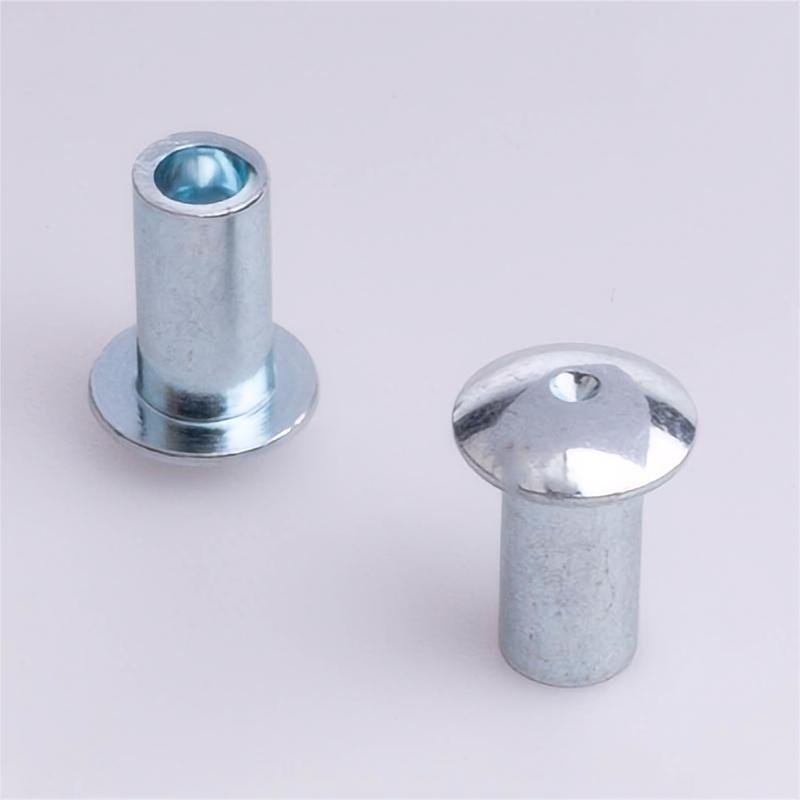
When shoulder dimensions, concentricity, and formed end geometry are properly controlled, the rivet can deliver more stable fit and
functional behavior across repeated production runs.

Industry Applications

Permanent Sheet and Bracket Joining

Used where two or more parts are joined for the life of the product. The rivet is formed in place and the joint carries no thread, so there is no thread to loosen.

Pivot and Hinge Points

Applied where the rivet both holds the assembly and acts as the axis a part turns on. Body diameter and how tightly the end is formed set how freely the joint moves, so both are specified rather than left to the setting process.

High-Volume Assembly

Suitable for lines where parts are fed and set automatically. Head shape, body length and material condition are controlled so forming behaviour stays the same across batches.