
How It Works
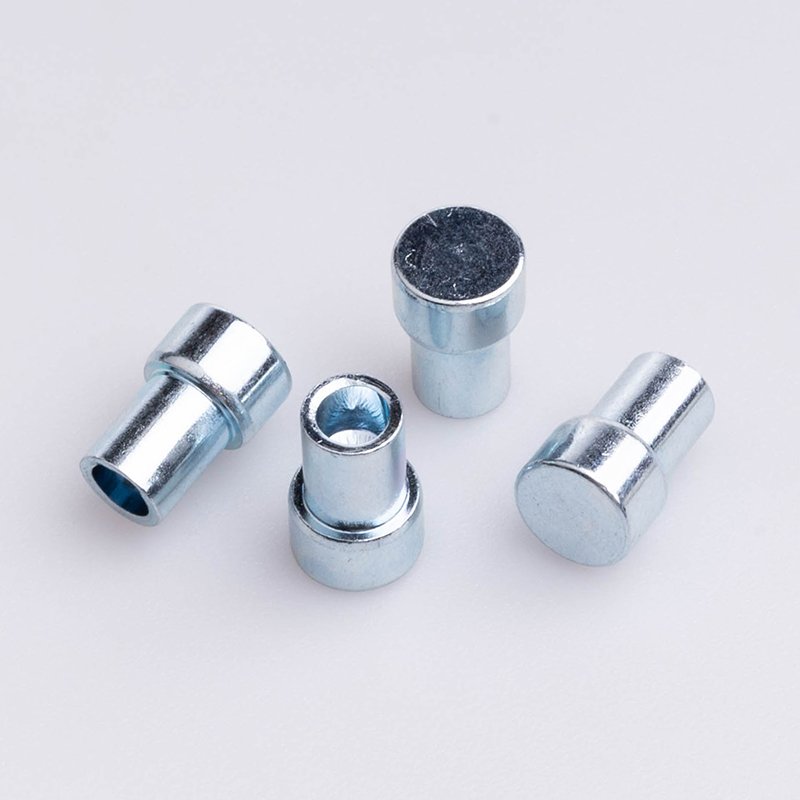
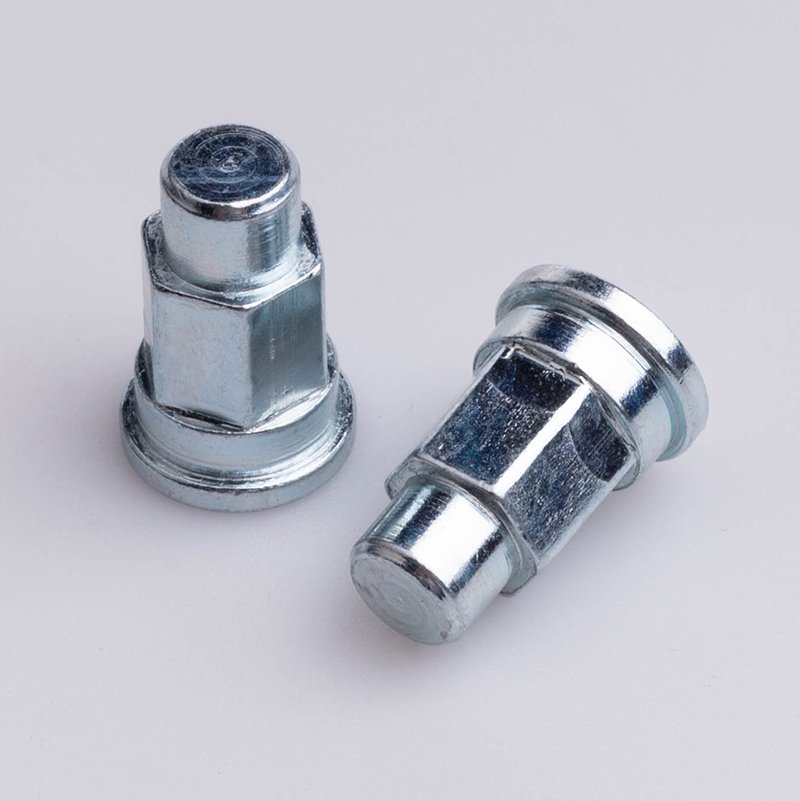
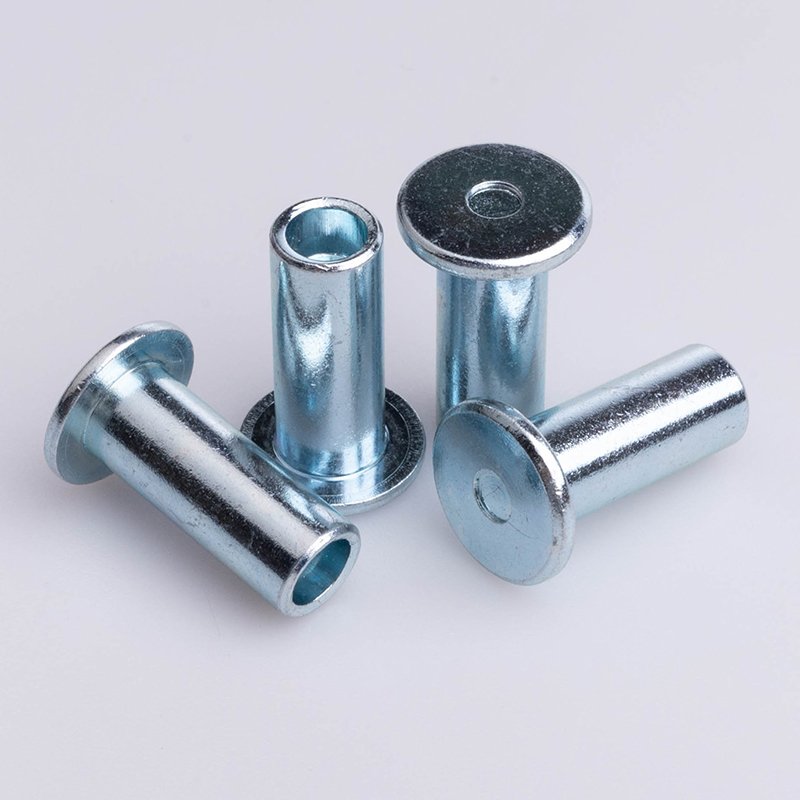
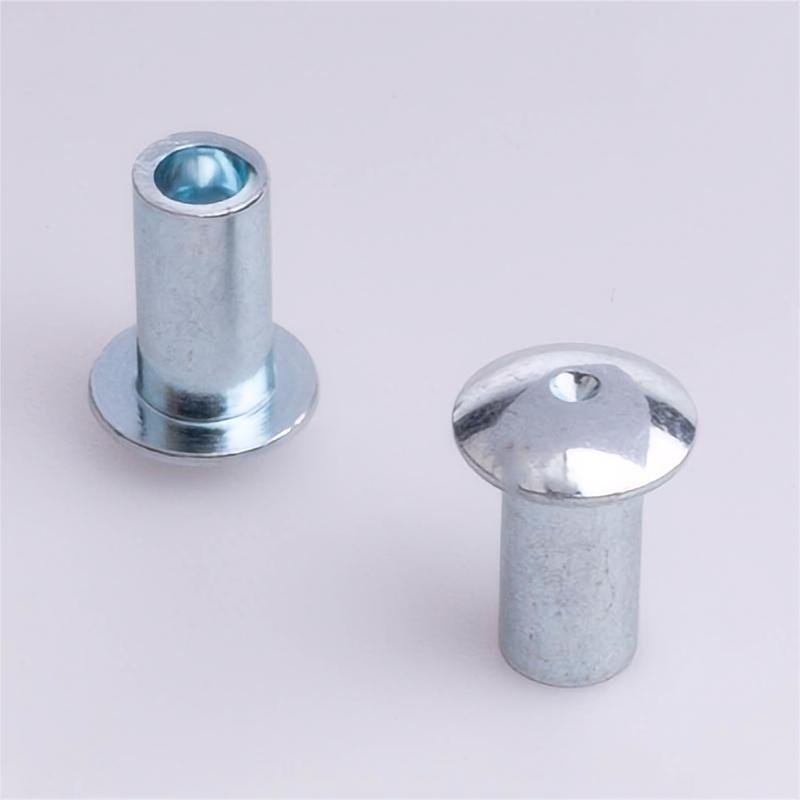
A semi-tubular rivet has a bore at the setting end. During setting, that hollow end is rolled outward against the mating part so only the thin wall deforms and the end finishes as a shallow flare rather than a spread head. Setting needs access to both sides of the joint: a punch on one face and an anvil or rollset on the other.
Advantages
-
Hollow end rolls instead of upsetting
-

Clean, low-profile formed end
The tubular end finishes as a neat annular flare rather than a spread head, so the joint stays flat on the formed side.
-
Head and body specified to the joint
Head style and diameter, body diameter, body length and wall thickness are set to the stack being joined and to the hole in the mating part.
-
Consistent setting across batches
Industry Applications
Permanent Sheet and Bracket Joining
Pivot and Hinge Points
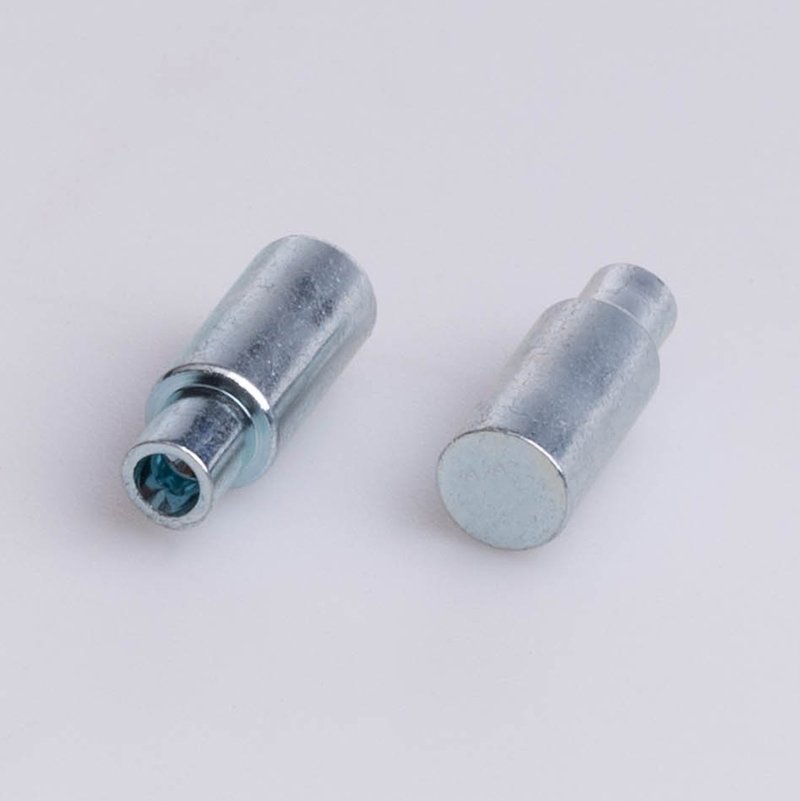
Applied where the rivet both holds the assembly and acts as the axis a part turns on. Body diameter and how tightly the end is formed set how freely the joint moves, so both are specified rather than left to the setting process.
High-Volume Assembly
Suitable for lines where parts are fed and set automatically. Head shape, body length and material condition are controlled so forming behaviour stays the same across batches.