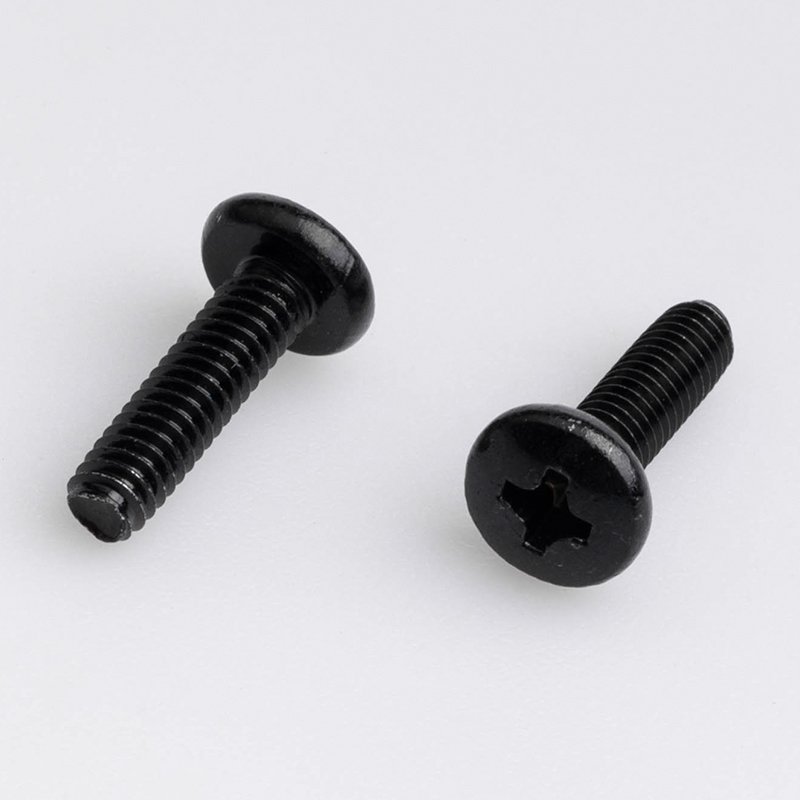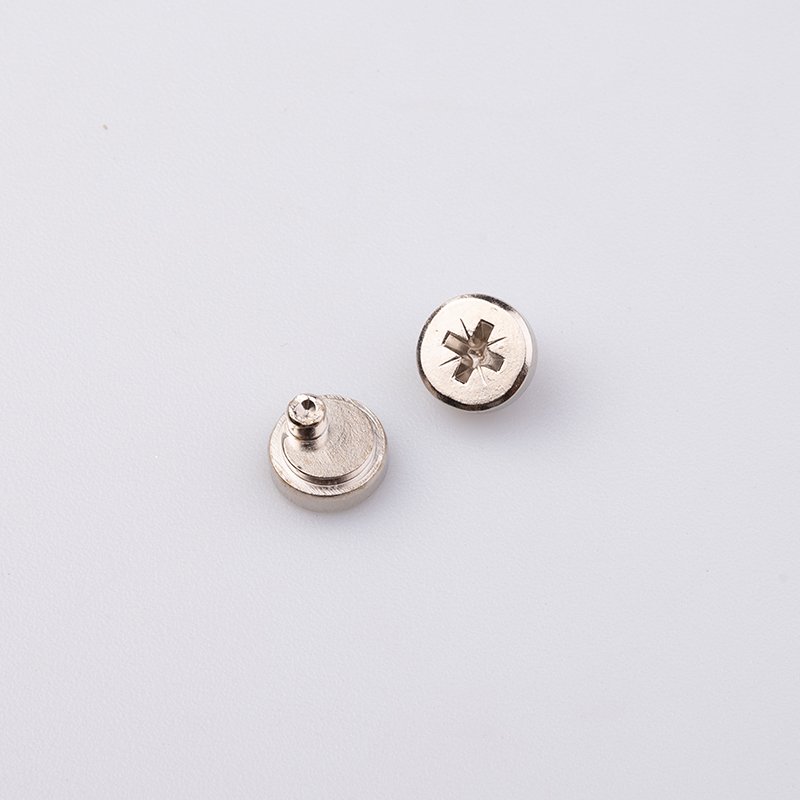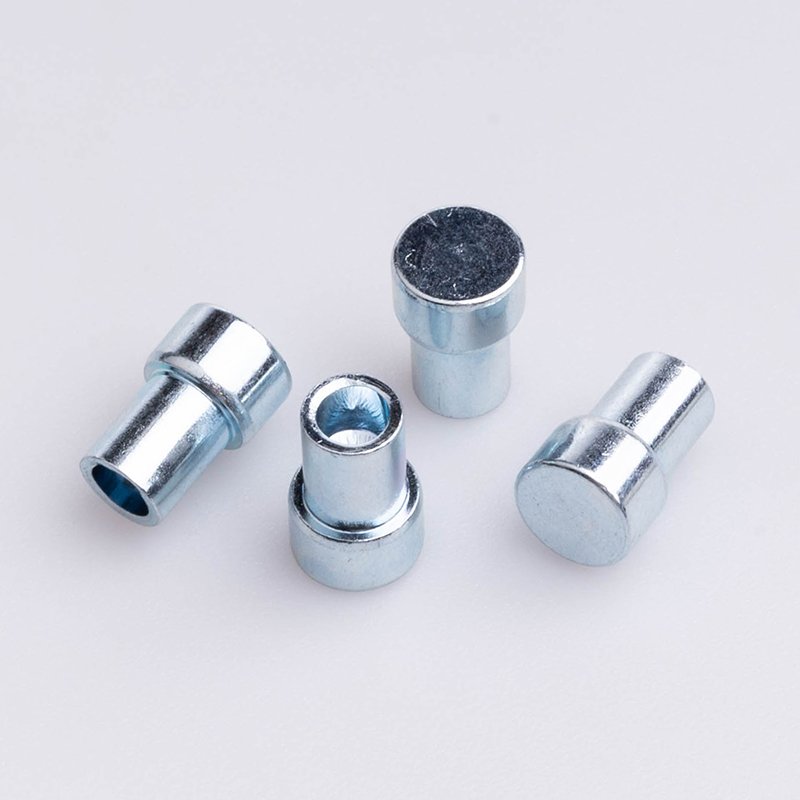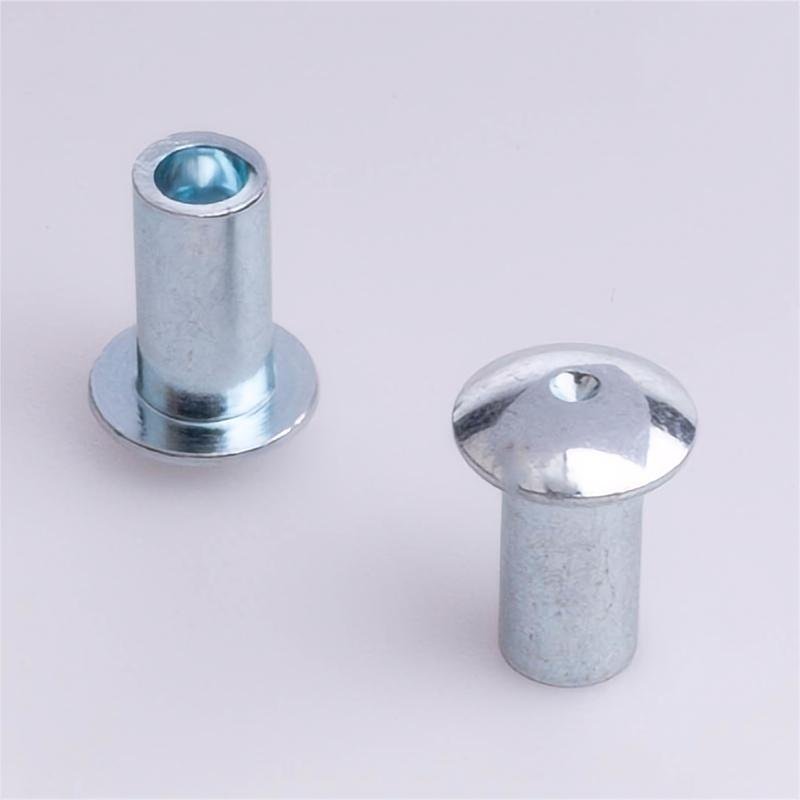

How It Works
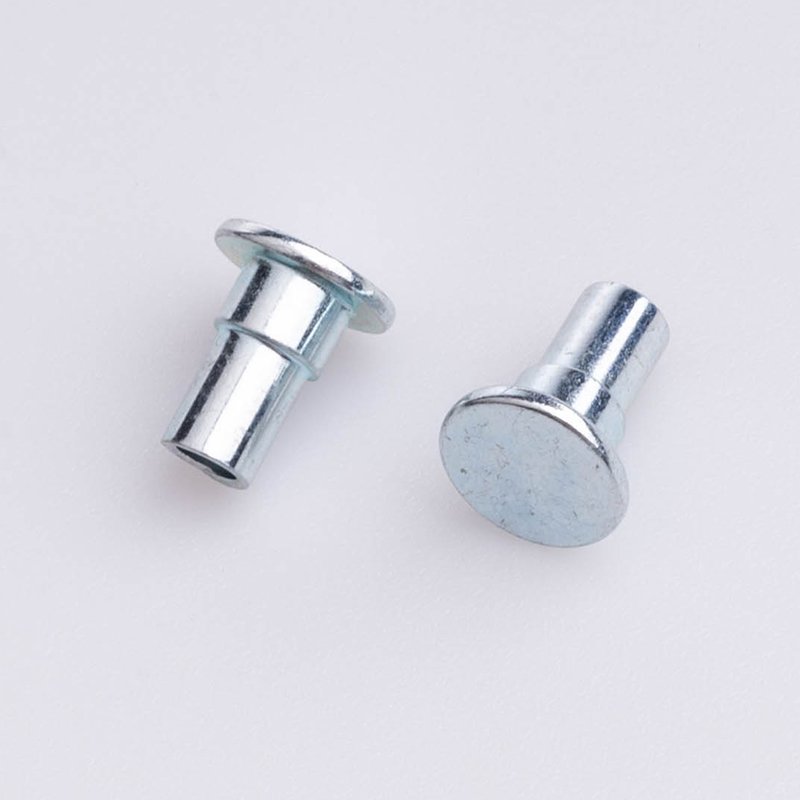
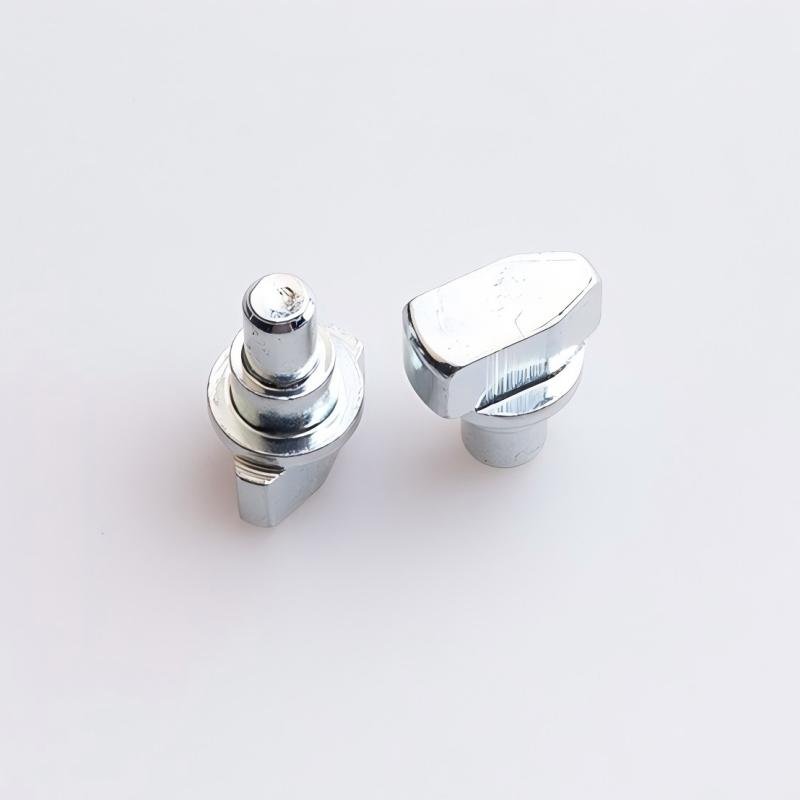
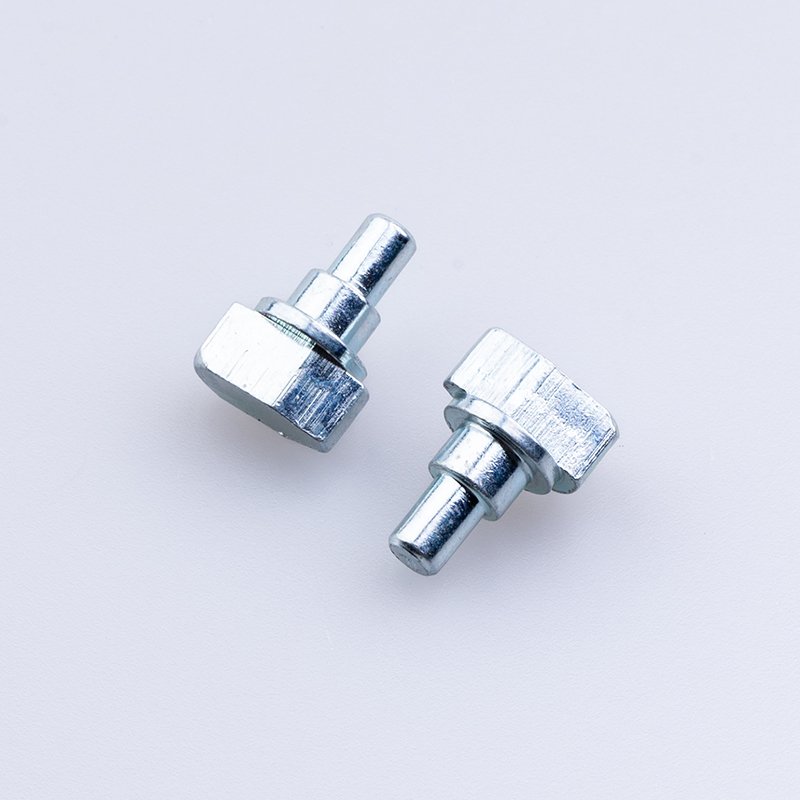
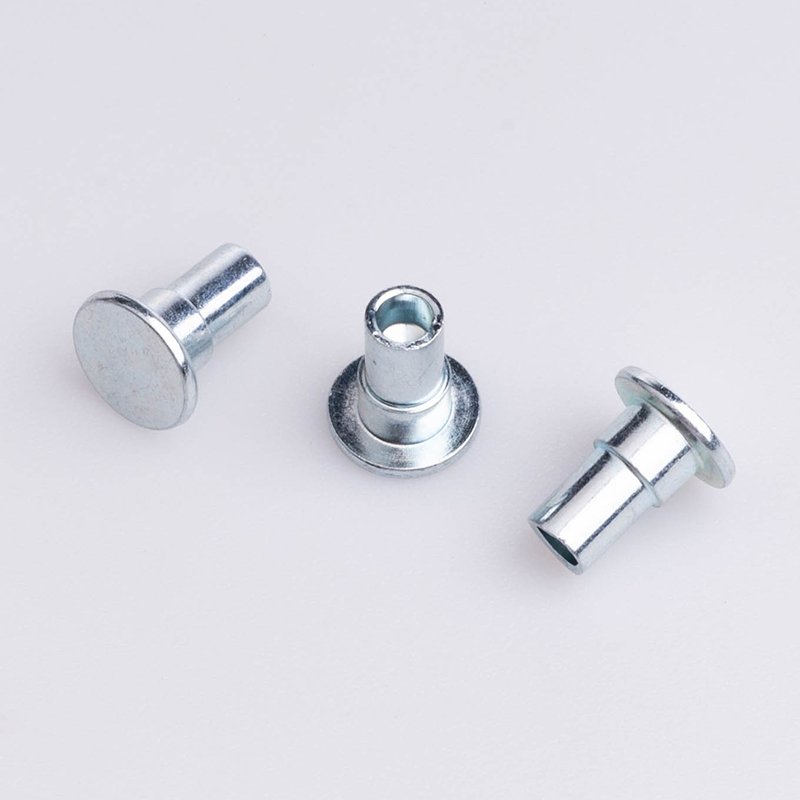
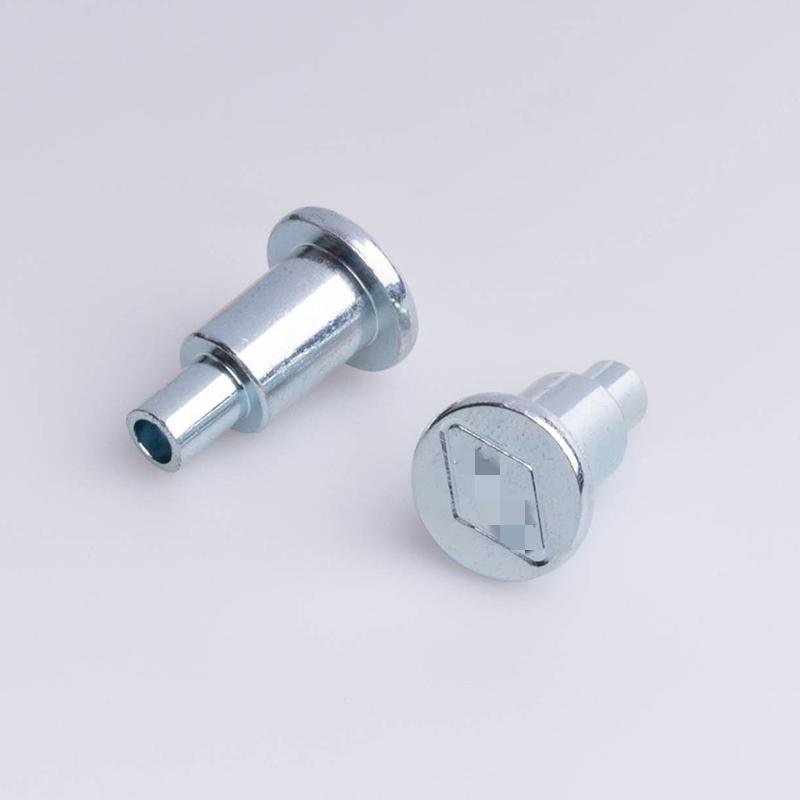
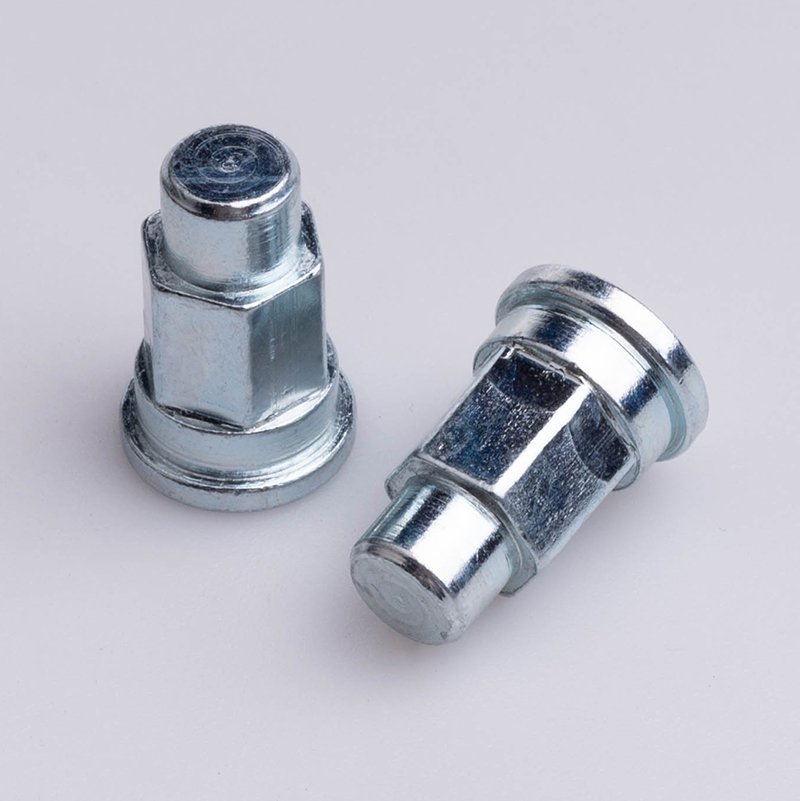
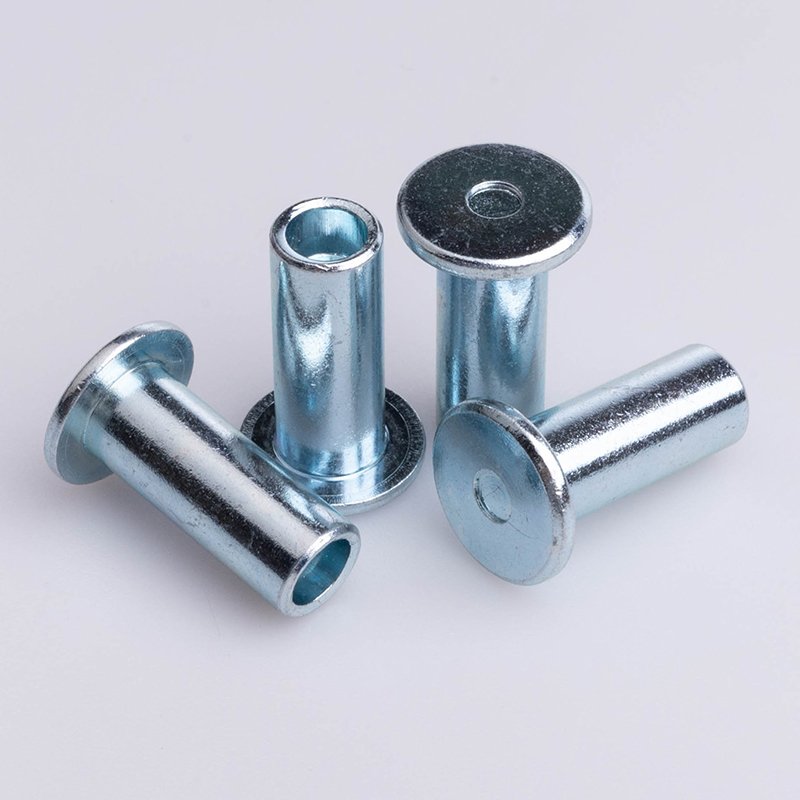
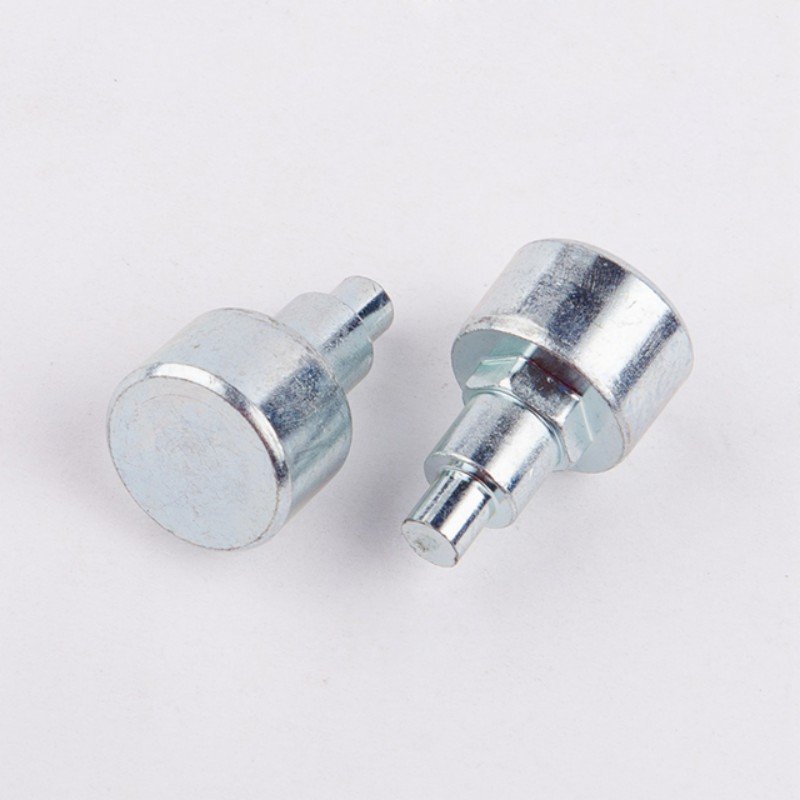
A shoulder rivet works by separating the fastening area from the functional working area of the part. During installation, the rivet end is formed to lock the assembly together, while the shoulder section remains as the controlled contact surface for rotation, spacing, or location. This makes shoulder rivets especially useful in assemblies where a standard rivet would create too much compression, insufficient clearance, or unstable movement. In custom designs, the relationship between shoulder size, body length, and rivet forming section is developed according to the real assembly structure and motion requirement.
Advantages
-
Defined functional shoulder
positioning inside the assembly.
-
Fast and efficient permanent assembly
Shoulder rivets are suitable for production environments where quick installation and consistent batch assembly are important.
-
Reduced part complexity
A single rivet can combine fastening, spacing, and pivot support in one component, reducing the need for separate pins, screws, or spacers.
-
Consistent assembly relationship
functional behavior across repeated production runs.
Industry Applications
Equipment requiring frequent maintenance
force even after repeated assembly and disassembly cycles.
Premium Furniture Manufacturing
Specifically engineered for pre-embedded connections in solid wood furniture, high-end marble table tops, and cabinetry panels.
Dissimilar Material Joining
Ideal for providing heavy-duty thread reinforcement when joining metal components to stone or wood substrates.