Capability
Die-mold
Shapes features a header alone cannot reach, on parts that still need to run at volume.
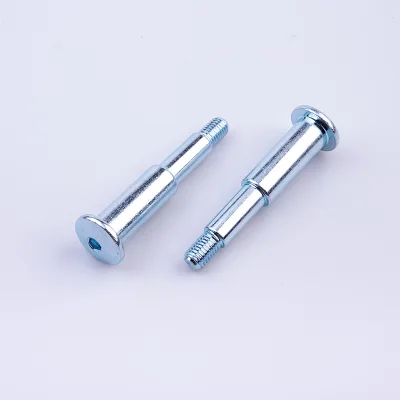
This is where a flanged part with a necked-down shank stops being a turning job.
The geometry this exists for
A flange at each end, a necked-down shank between them, and that shank small in diameter relative to the flanges either side of it. Drawn flat it looks unremarkable. On the shop floor it is the shape that decides which process you are paying for.
The conventional route is to turn it: start from bar stock and cut the middle section away. That works, and for a handful of pieces it is the right answer. But the material between the flanges leaves as swarf, and every piece costs its own cycle time, so the unit price barely moves as the quantity goes up.
What die-mold does differently
Die-mold forms that section instead of cutting it. On this geometry it holds accuracy close to what turning gives you, while the cycle time and the material yield both improve. The gap widens with quantity: the tooling is a fixed cost paid once, and after that each piece is fast.
So the real question on a part like this is not whether it can be made. It is where your annual quantity sits relative to the tooling. Send the drawing with a quantity on it and we will tell you which side of that line you are on.
Where turning still earns its place
Low quantities, first samples before a design is frozen, and features or tolerances that want a cutting tool rather than a die. We run both, so the process can follow the part rather than the other way round.
What we have written about it
Cold Heading vs CNC Machining Custom Fasteners
Cold heading can produce a lower unit cost than CNC machining, especially at higher volumes. But a lower piece price does not automatically mean a lower project cost.
Trade Show Samples Turned First
A furniture brand needed stainless steel fasteners for a trade show. Turned samples went out in 9 days while the cold-heading die was made for production.
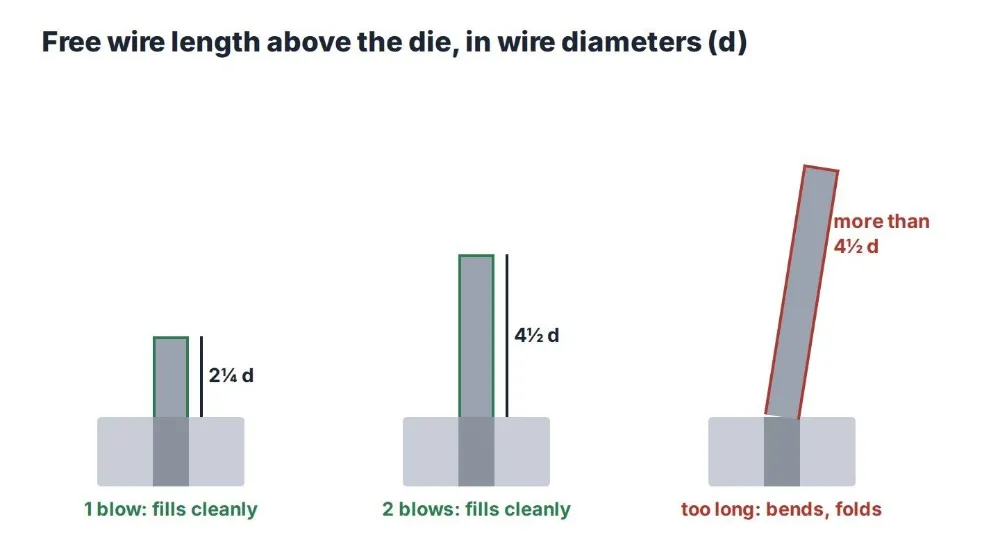
Cold Heading Upset Ratio Cold Shut
One blow upsets about 2.25 wire diameters, two blows about 4.5. Past that, the wire folds into a cold shut.
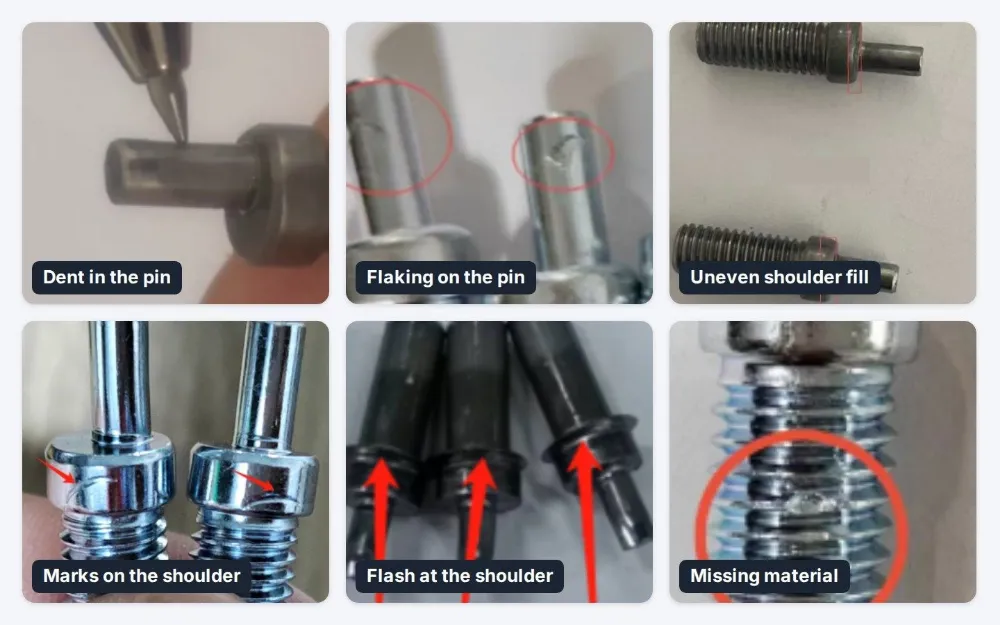
Cold Heading Defects Shoulder Screw
Dents, flaking, flash, under-filled shoulders and thread defects on a cold-headed shoulder screw: real photos, the tool that causes each one, and what to write in your…
Parts of this kind
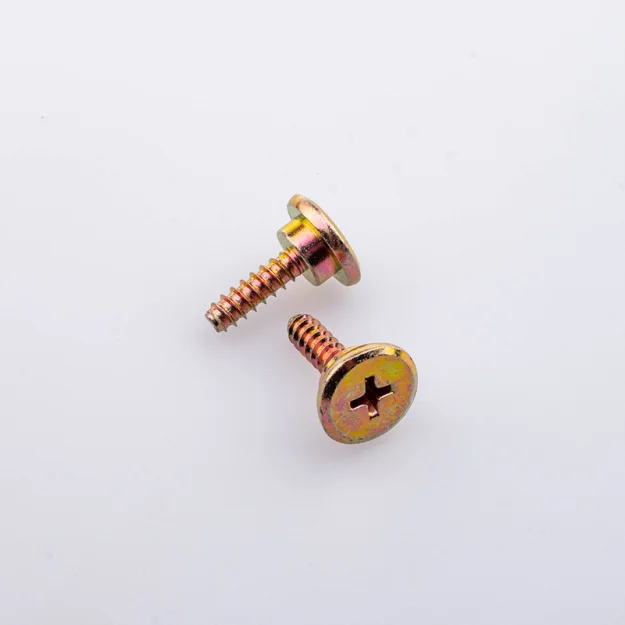
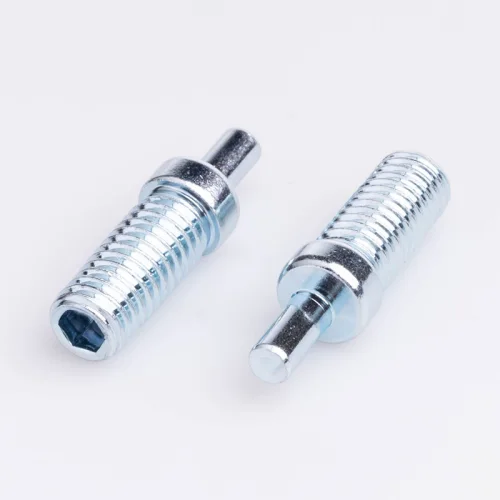
These are parts we have produced. Which process a given part goes through depends on its geometry and quantity — send the part and we will tell you which one yours needs.