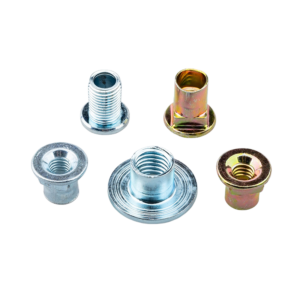
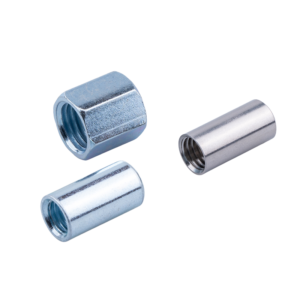
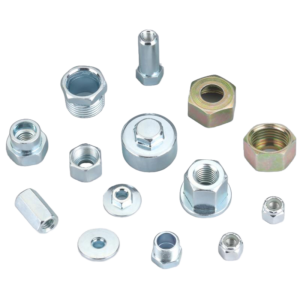
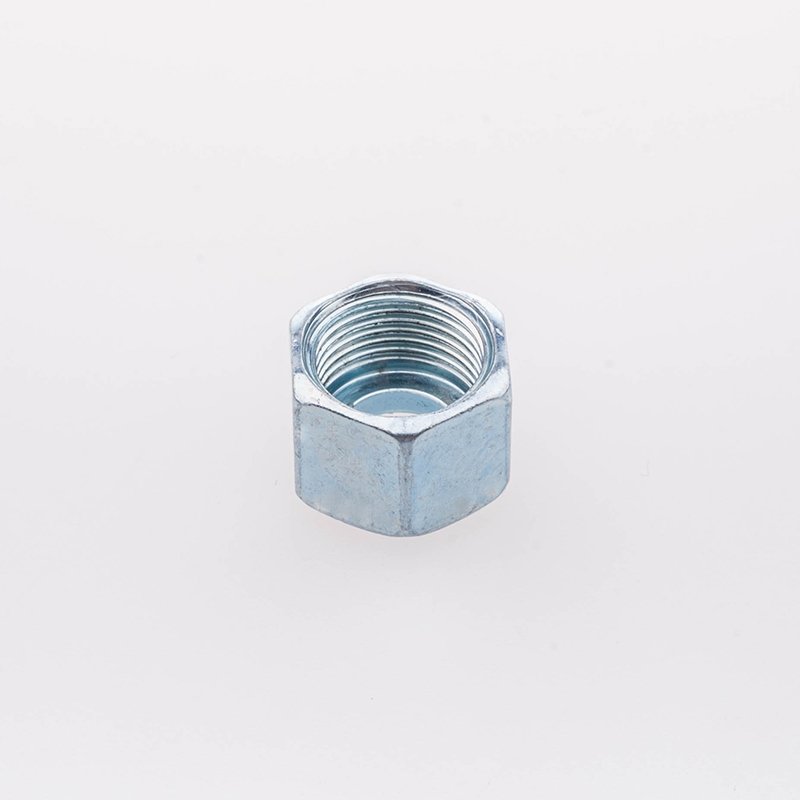
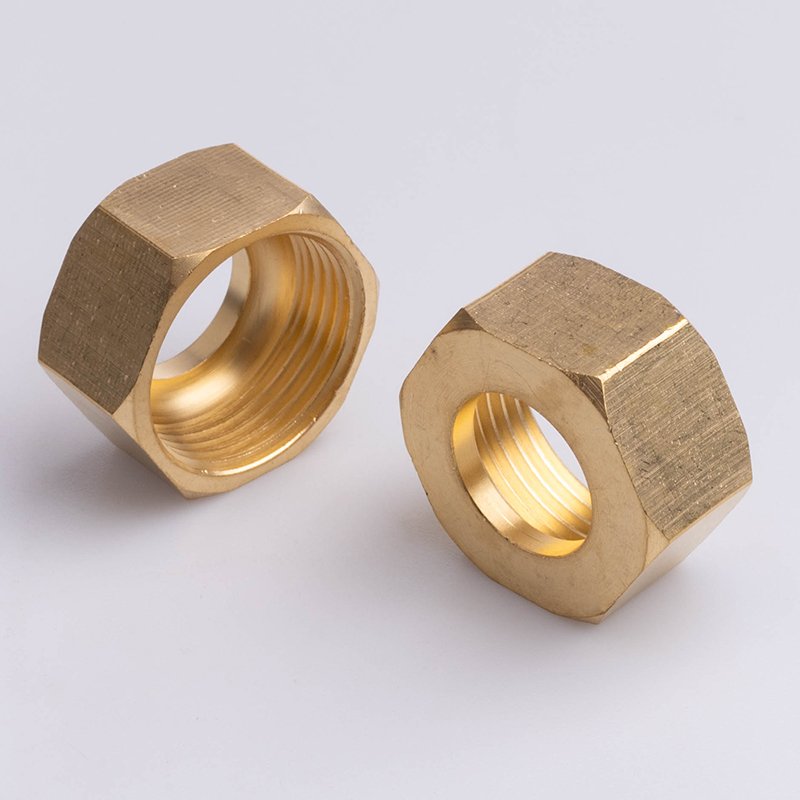
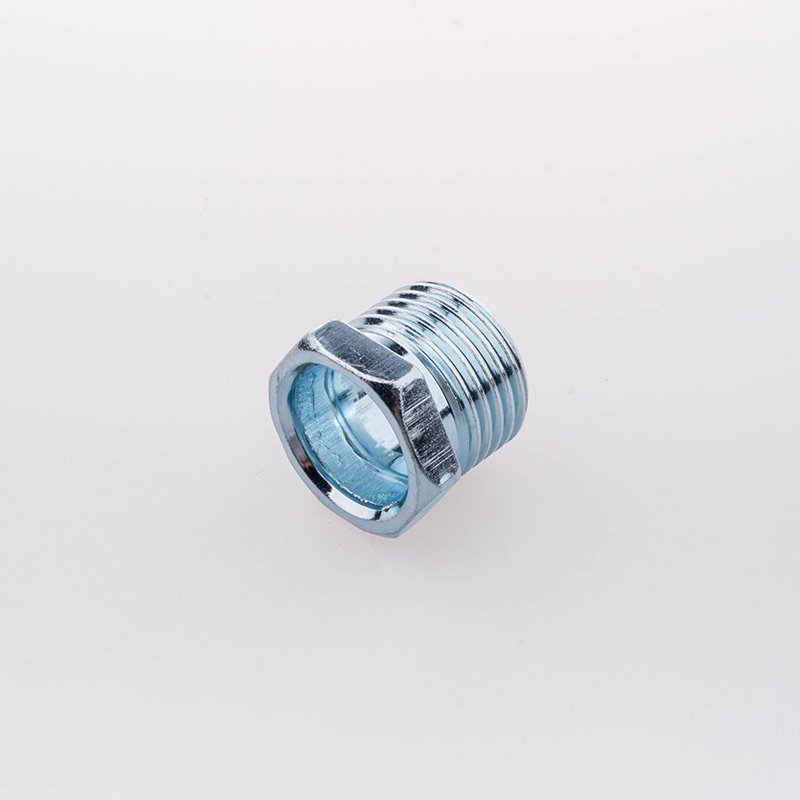
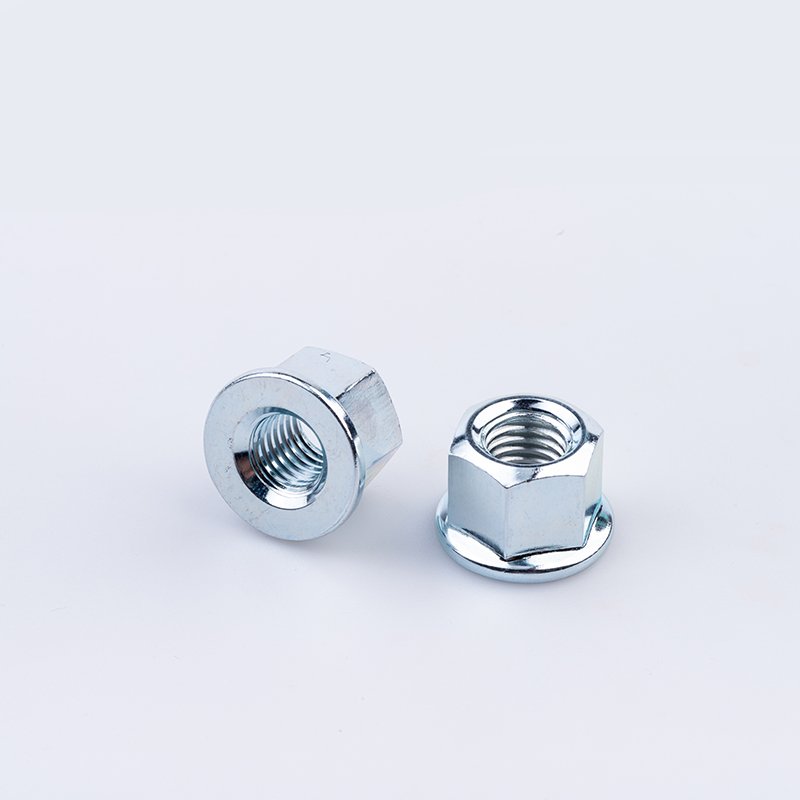
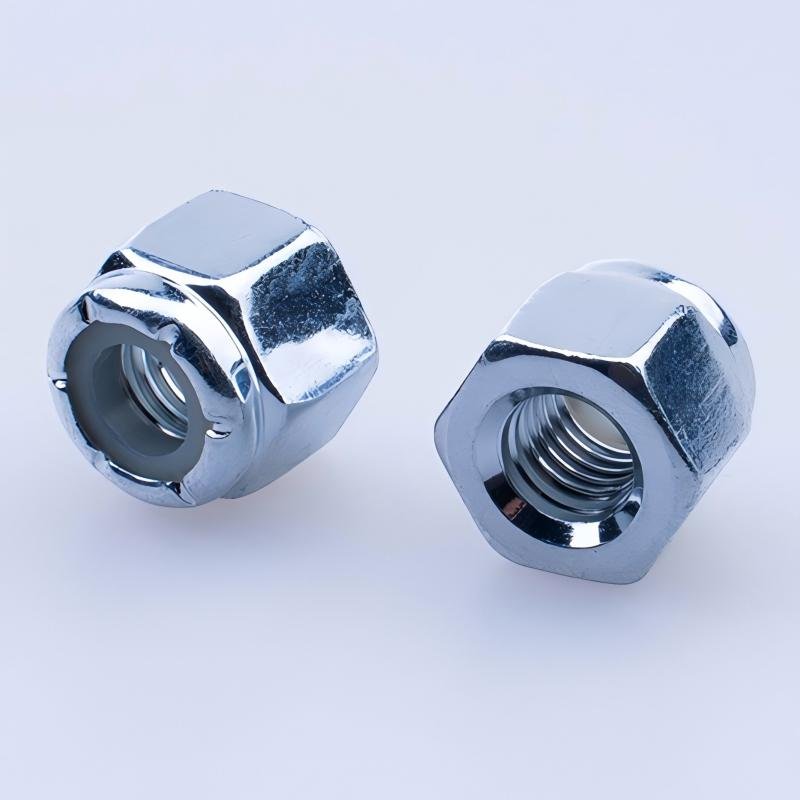
Custom Hex Nuts Manufacturer. TYF (Guangdong Taiyuanfeng Metal Products Co., Ltd.) manufactures custom and non-standard hex nuts to your drawings, samples and application requirements. Custom and non-standard hex nuts with thread verified by plug gauges.Case (anonymized): for an outdoor-furniture customer we produced stainless female rivets/nuts with cold-headed, gauge-verified threads for a secure, corrosion-resistant fit.Most parts are formed in-house by cold heading and closed-die forming, then thread-rolled and inspected. Materials: carbon steel and alloy steel, stainless steel (304/316), brass and copper alloy, aluminum and zinc alloy. Surface finishes are selected per drawing and application; coating thickness (Zn/Ni/Cu) and salt-spray corrosion resistance are verified with in-house inspection.Certified to IATF 16949:2016, ISO 9001:2015 and ISO 14001:2015. Send your drawing for a quote.Request a Quote / Upload Your Drawing