
8.8 Is Not Grade 8: Two Strength Systems That Share a Number
A metric bolt marked 8.8 and an inch bolt marked Grade 8 are not the same strength and not the same system. The shared digit is a coincidence, and on a purchase order it is an expensive one.
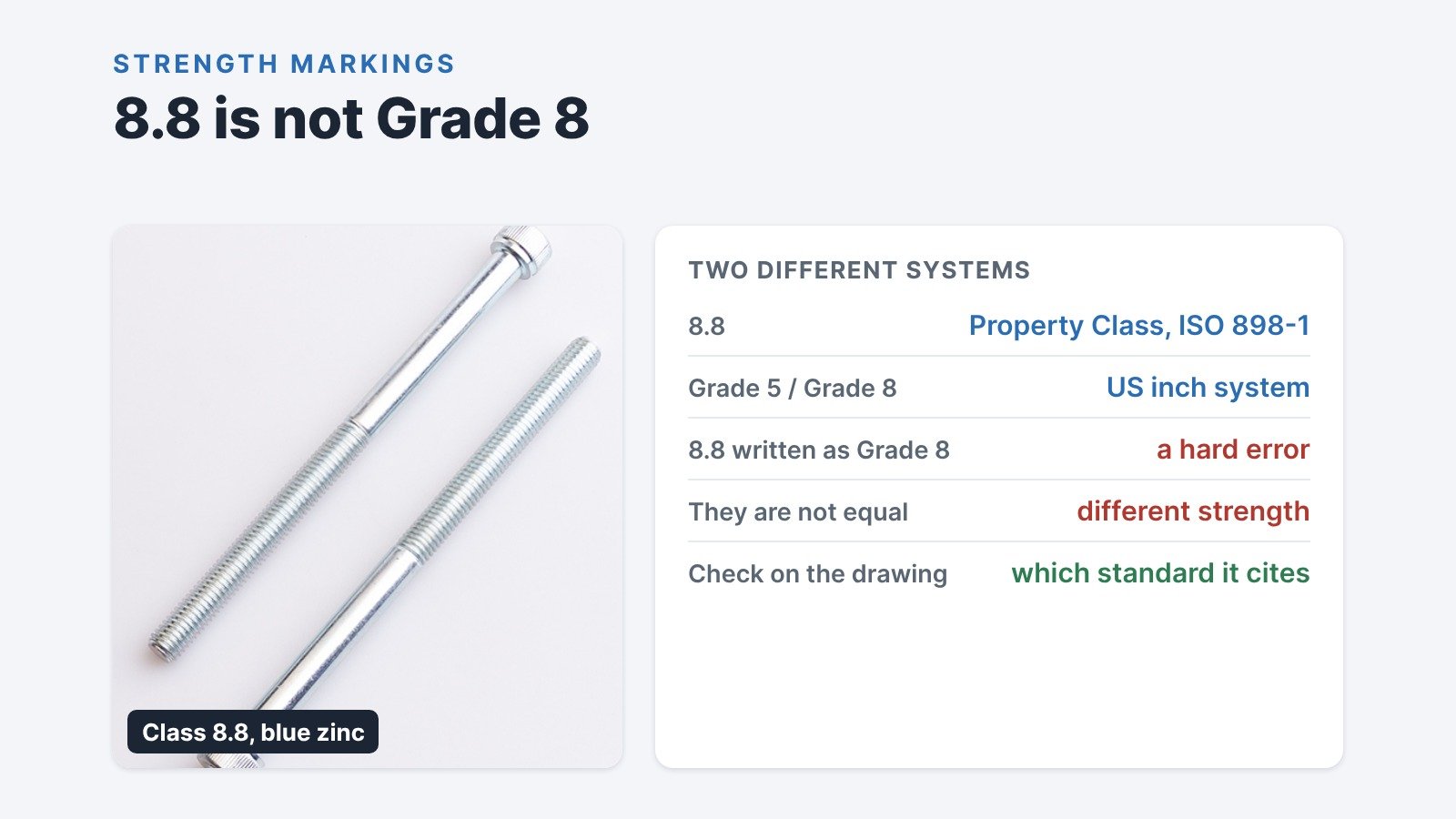
Short answer: 8.8 is a Property Class in the metric system, defined in ISO 898-1. Grade 5 and Grade 8 are designations in the inch system. They are different systems with different strength values, so 8.8 and Grade 8 are not equivalents and not translations of each other — writing one for the other is a hard error. If a drawing or a purchase order mixes them, the first thing to settle is which standard the part is actually being bought to.
Why the digit looks like a match
Because both systems happen to use small numbers and one of them happens to be eight. The metric class is written as two figures separated by a point, and the two figures together describe the tensile strength and the yield behaviour of the material after heat treatment. The inch grades are an index into a different table, where the grade number is a label rather than a calculation. Nothing about the inch Grade 8 is derived from the metric 8.8, and the two land in different places on a strength chart. Once the figures are read as labels from separate tables, the coincidence stops being confusing.
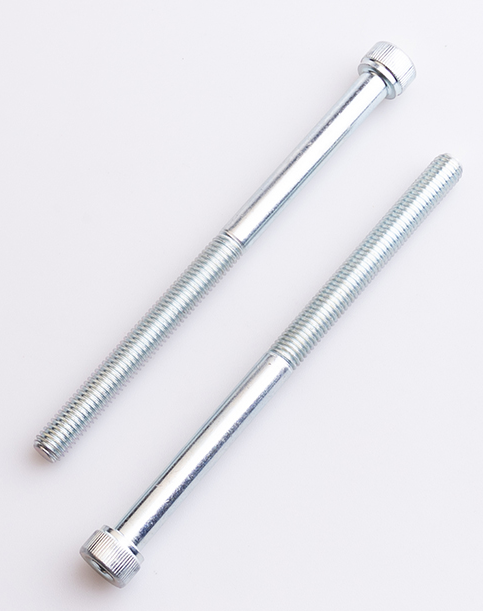
In practice the error arrives from three directions: a catalogue in one system quoted into an enquiry in the other, a translation step that treats the number as the meaningful part, and a buyer or supplier who has only ever worked in one of the two and assumes the other is a dialect of it. The last one is the most common and the hardest to catch, because nobody in the chain feels uncertain.
What it actually changes
- Material and heat treatment. A class is a specification for both. Order the wrong one and the part is made from the wrong steel, or heat treated to the wrong condition, or both.
- Head marking. Metric classes and inch grades are marked differently on the head. A part that is marked to one system will not satisfy an incoming inspection written for the other, even if the mechanical properties happen to be close.
- Assembly torque. Tightening figures are derived from the class. The wrong class on the drawing propagates into the torque specification on the line.
- Certificates. A mill or test certificate is issued against a standard. One raised to the wrong standard cannot be corrected afterwards by agreement; the part has to be re-tested or re-made.
How to write it so it cannot be misread
Name the standard next to the class, every time: property class 8.8 to ISO 898-1 for a metric part, or the inch grade with its own standard for an inch part. If the part is metric, keep the thread callout metric as well; a line that says 8.8 and then gives an inch thread is the clearest possible sign that two documents have been merged. And if you are buying to an inch grade, be explicit that you want the inch system, because a supplier working mainly in metric will otherwise read the nearest class and believe they have complied.
How a class claim gets checked
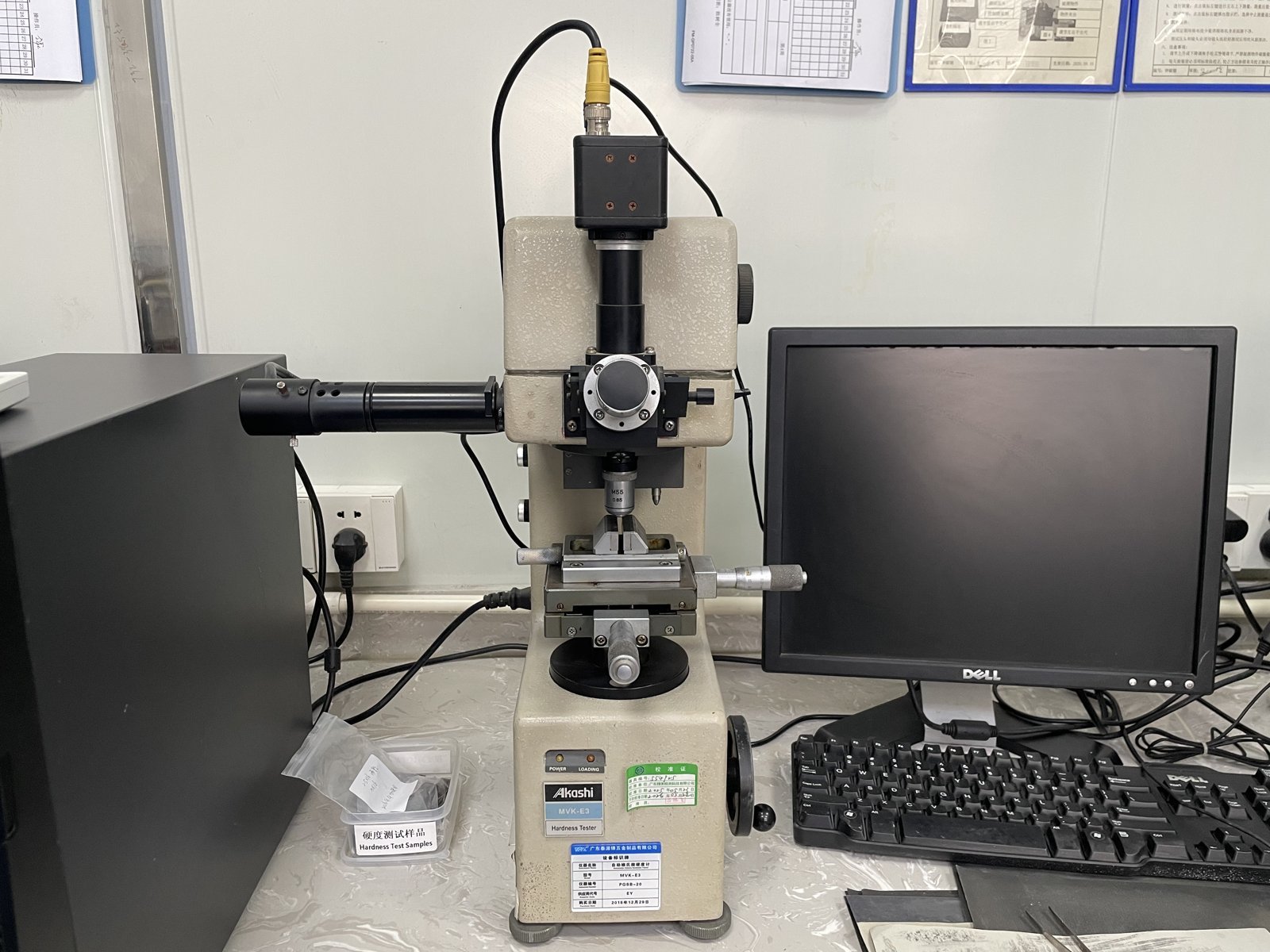
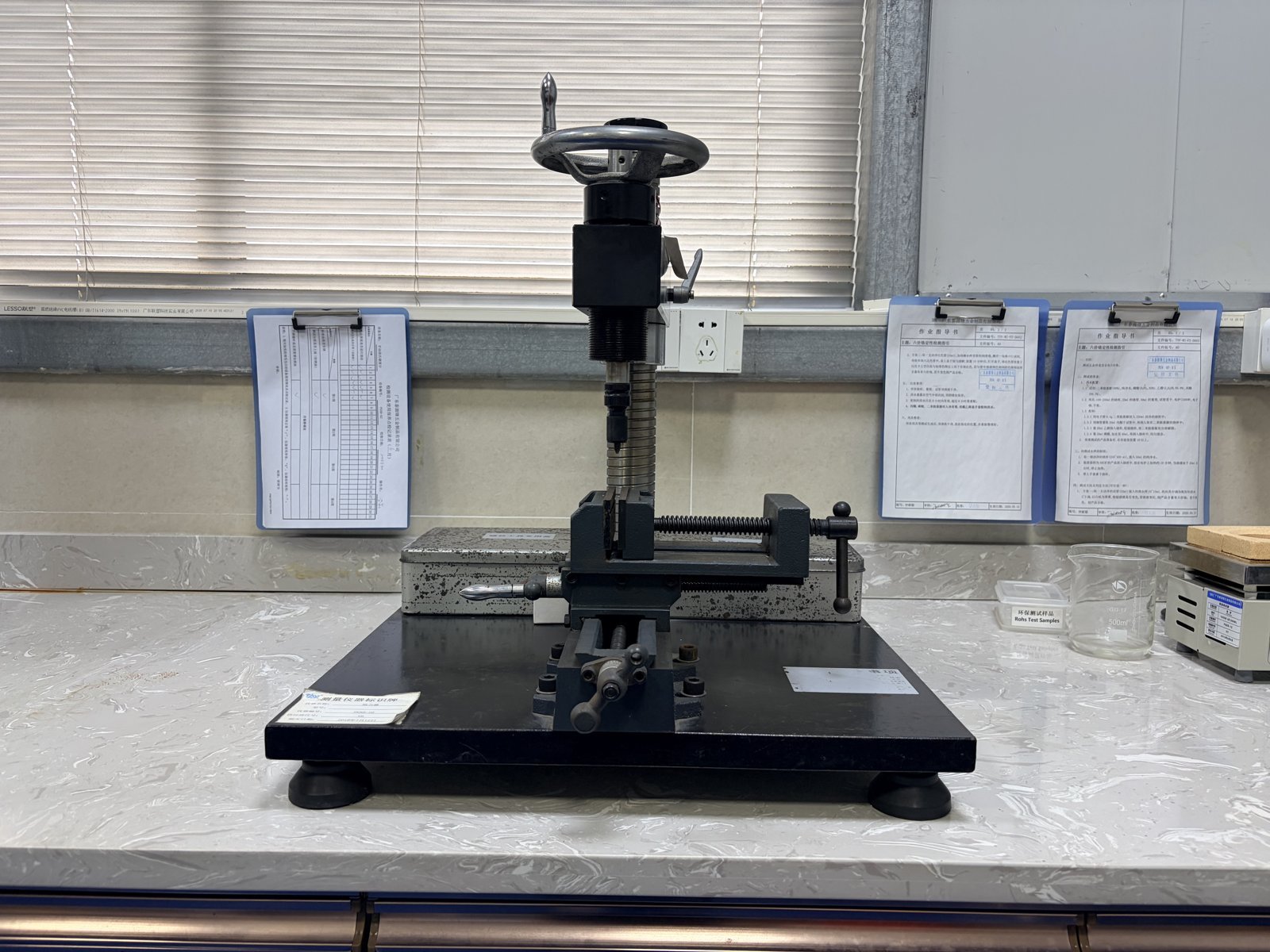
On a finished part, confirming the class means running the mechanical tests the standard specifies for it, normally including tensile testing on sample pieces. Hardness on its own is an indicator, not the full determination. We run hardness testing in our own laboratory, which is where a mismatch between a certificate and a part tends to surface first. Where plating is involved there is a second question stacked on top, because high-strength plated parts need their hydrogen relief handled; we wrote about that in plating high-strength bolts.
For the metric classes themselves — what the two figures mean and how the common classes line up — see our earlier guide to screw property classes. For a worked example of a higher class under a real test requirement, see class 10.9 bolts that must pass salt spray. This post is only about the one substitution that keeps appearing: 8.8 written as Grade 8.
If you have found the mix-up in your own paperwork
Check the three places it hides before changing anything: the drawing title block, the purchase order line, and the incoming inspection sheet. They are often written by different people and only one of them may be wrong. Then decide which system the assembly is genuinely in, rather than which one the current stock happens to be in. If parts are already on the shelf, hardness testing on a few pieces is a cheap first indication of whether they are anywhere near the class claimed; confirming the class itself still needs the tests the standard specifies.
If you want a part quoted or verified against a specific class and standard, send the drawing or the head marking photo by email to zoe@tfscrew.com and name the standard you are buying to.
Related: 1/4-28 UNF is not M6 · what a sample inspection report should show
How this was written: the naming rule is from our internal English-Chinese terminology notes for new staff, reviewed in July 2026, which lists this as one of the most frequent errors. Standard designations are quoted as designations only; no strength values are reproduced here. The parts shown are our own, supplied to property class 8.8.