

How It Works
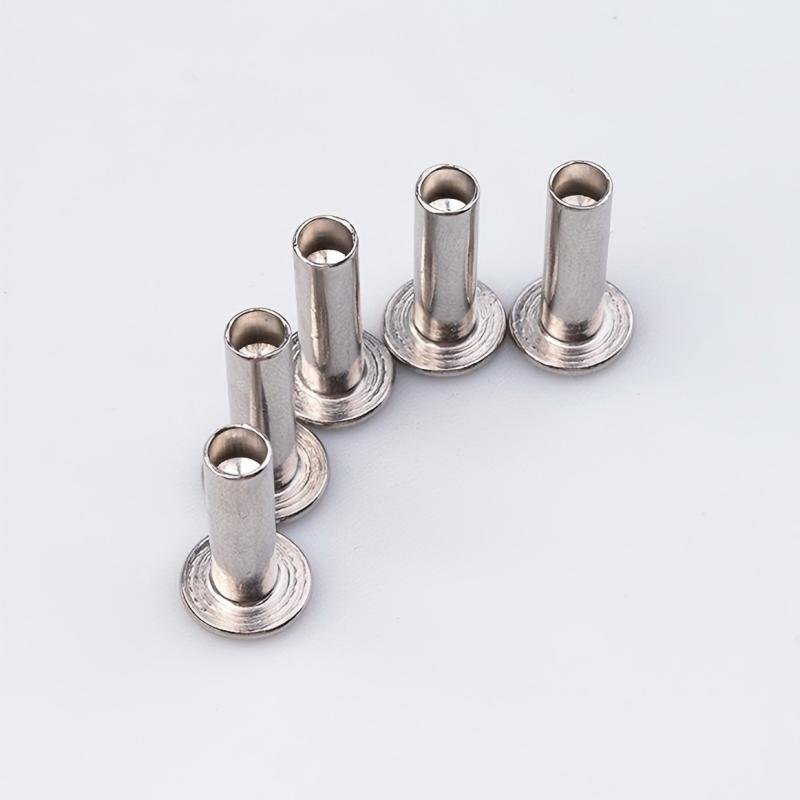
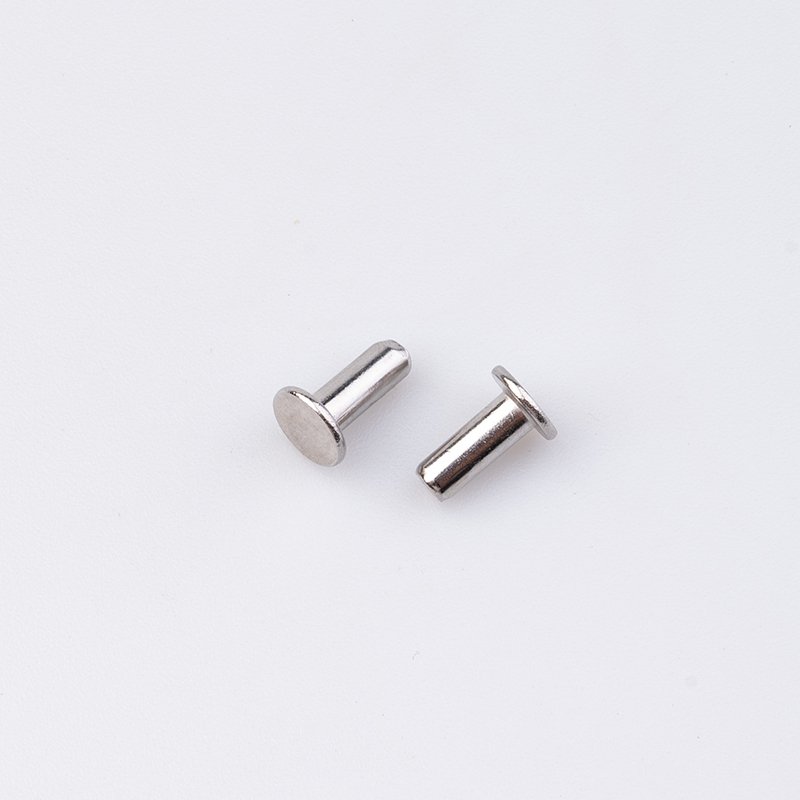
A stainless steel rivet works by forming or deforming part of the rivet body during installation so that two or more parts are permanently joined together. The rivet body provides the structural connection, while the stainless steel material improves resistance to rust, staining, and environmental degradation in service. Depending on the application, the rivet may be designed for structural holding, sheet connection, hinge points, covers, brackets, or hardware assemblies. In custom designs, the relationship between body dimensions, forming section, head geometry, and material grade is developed according to the real assembly structure and operating environment.
Advantages
-
Better corrosion resistance
steel may degrade more quickly.
-
Durable permanent connection
Once installed, the rivet provides a stable mechanical joint suitable for assemblies that are not intended for frequent disassembly.
-
Clean material appearance
surface appearance over time.
Industry Applications
Metal Fabrication and Hardware
Widely used in sheet metal assemblies, brackets, hinges, straps, and fabricated hardware where permanent joining and corrosion resistance are both required.
Outdoor and Marine-Adjacent Equipment
Suitable for outdoor hardware, exposed installations, and moisture prone environments where stainless steel fasteners help reduce rust related maintenance.
Machinery, Panels, and Enclosures
Commonly applied in machine covers, guards, enclosures, and industrial components where secure solid riveting supports stable long term assembly.