

How It Works
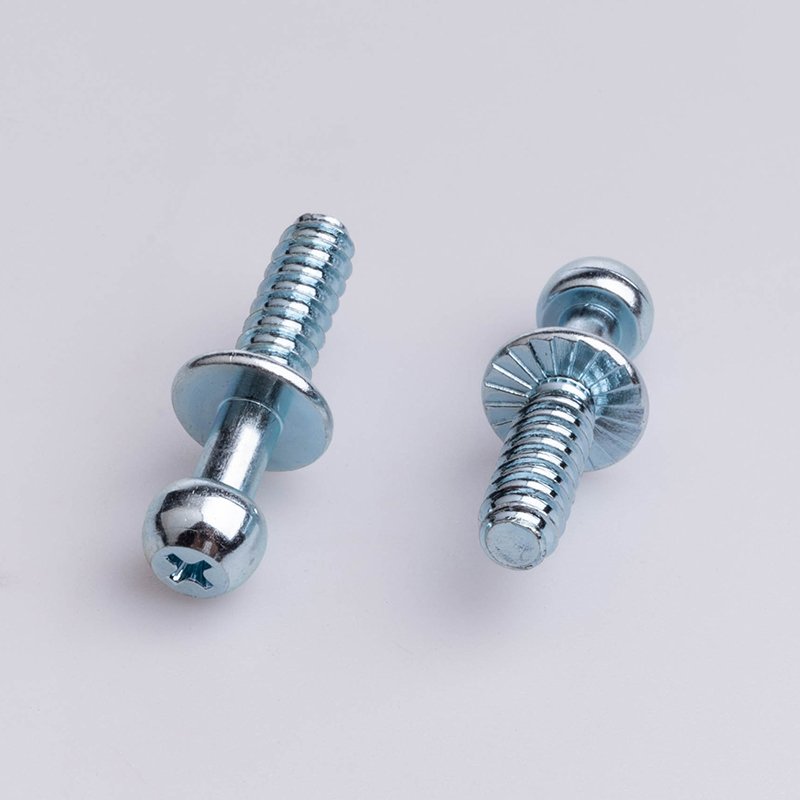
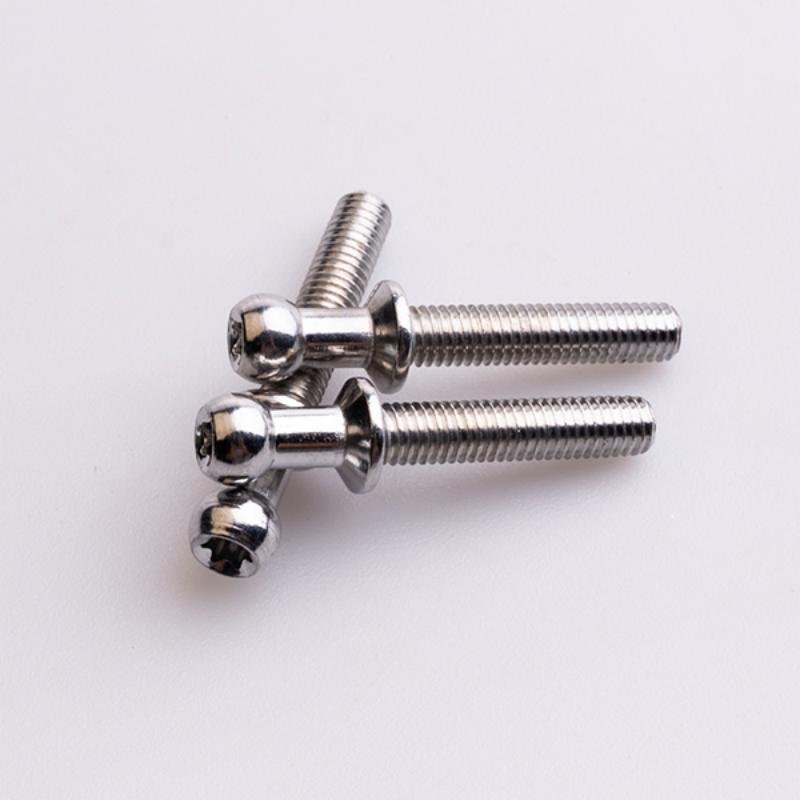
Unlike standard screws, SHOULDER SCREWS include a precision unthreaded section between the head and the threaded end. This shoulder is the main functional area of the part. It can carry rotating components, maintain spacing, or provide a wear surface while the thread handles clamping and retention. This design is widely used when the assembly requires both secure fastening and controlled mechanical movement.
Advantages
-
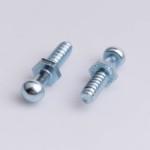
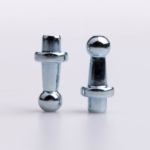
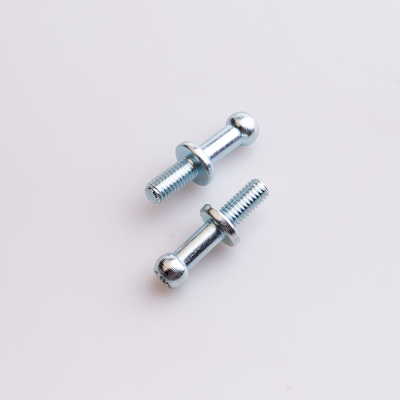
Precise ball head engagement
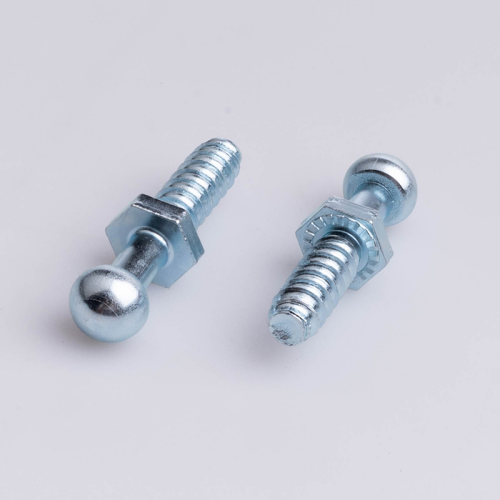
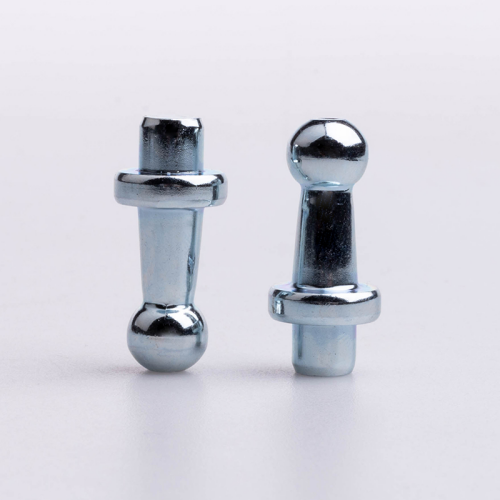
The ball head must match the mating socket correctly to achieve stable retention and consistent release force.
-
Integrated fastening and joint function
The part provides both installation and functional movement in one compact component.
-
Custom-fit mounting structure
Threaded, shouldered, grooved, or formed mounting ends can be developed according to the base part and assembly method.
-
Better assembly consistency
Stable control of ball diameter, roundness, surface finish, and neck transition helps reduce fit variation and premature wear.
Industry Applications
Pipe Flanges, Valves, and Pressure Assemblies
Widely used in flange connections, valve systems, pumps, and pressure retaining assemblies where reliable clamping force and easier nut based disassembly are needed.
Industrial Machinery and Equipment Installation
Commonly applied in machine frames, equipment housings, mounting structures, and heavy mechanical assemblies where stud bolts support stable installation and repeated maintenance.
Energy, Construction, and Structural Fastening
Suitable for industrial plants, structural connections, and heavy duty fastening points where strong threaded engagement and serviceable assembly design are required.