
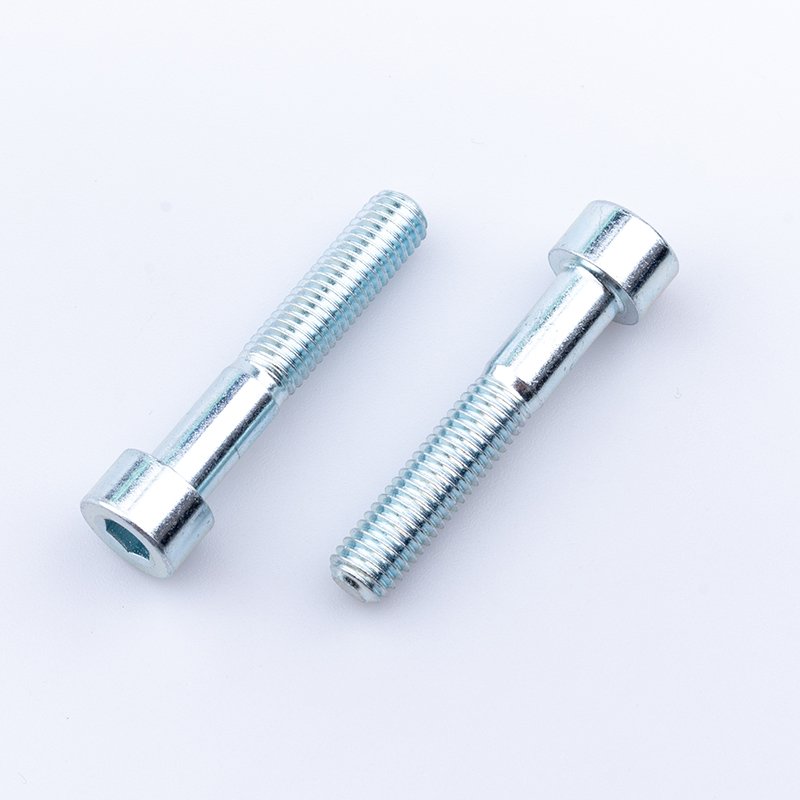

How It Works
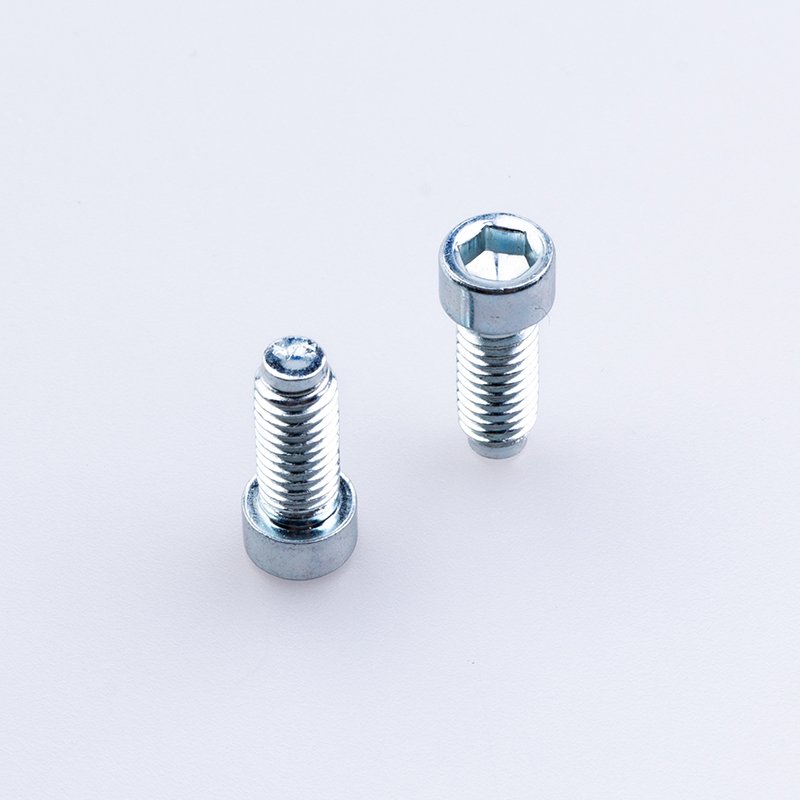
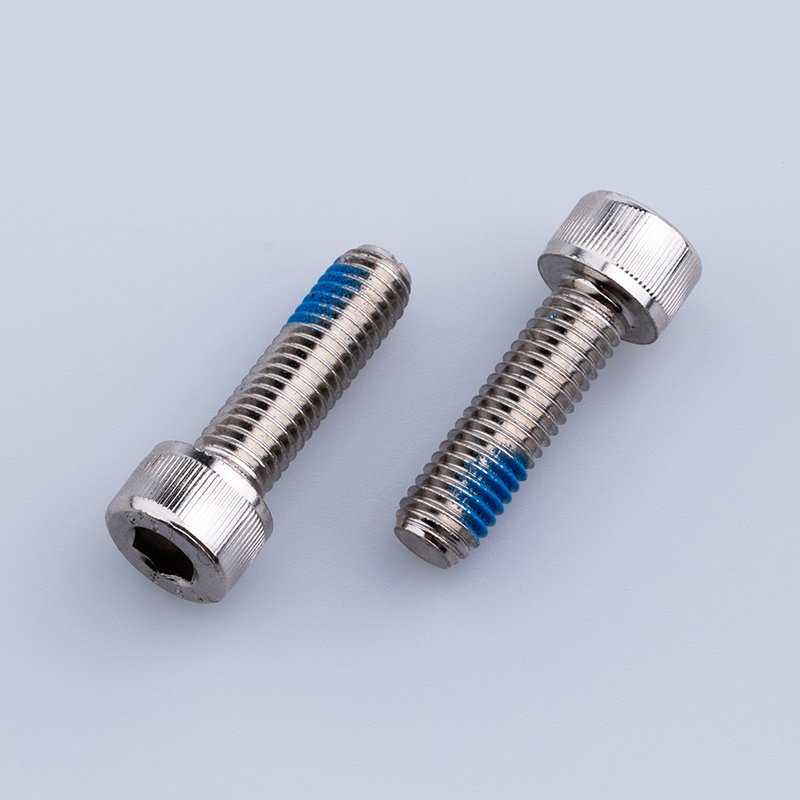
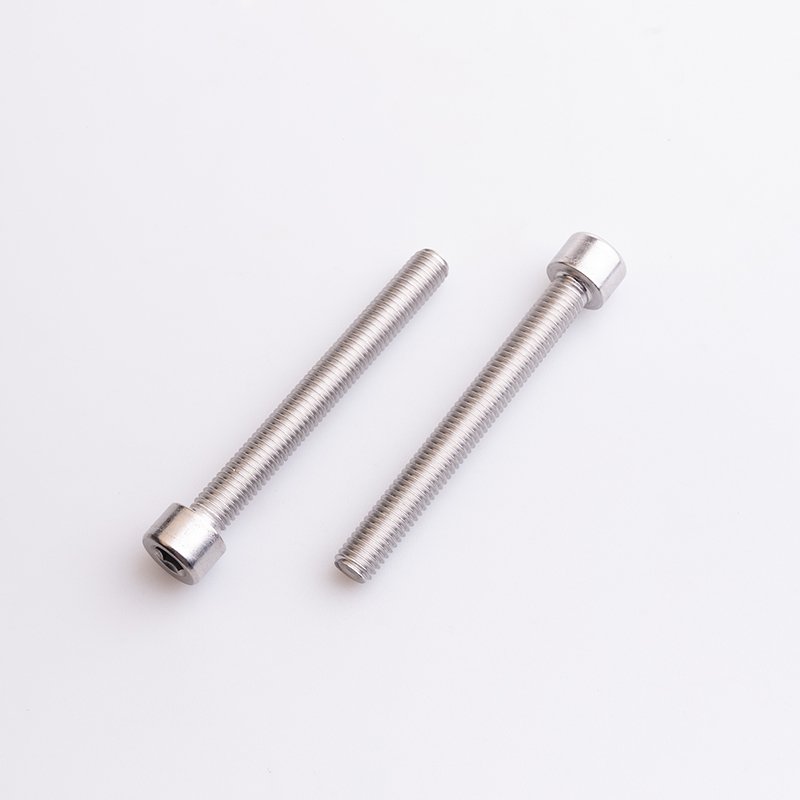
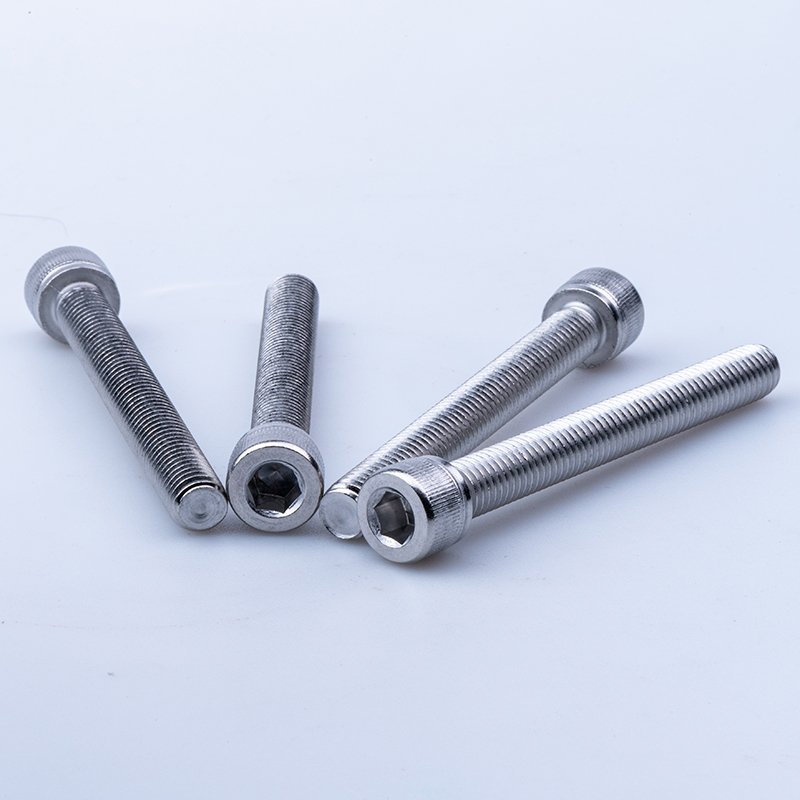
A socket head cap screw is not only chosen for fastening strength. It is often selected because the assembly needs a screw that can be tightened from above, fitted into a recessed area, and still provide stable clamping force. The head geometry affects installation space and tool access. The socket affects torque transfer. The thread and shank affect load behavior and fit in the joint. For this reason, many custom socket head cap screws are developed from the actual assembly structure rather than from nominal size alone.
Advantages
-
High torque transmission
clamping force.
-
Compact head design
assemblies.
-
Flexible structural customization
Thread size, shank length, partial thread, underhead form, tip design, and material can be adapted to actual assembly requirements.
-
Consistent assembly performance
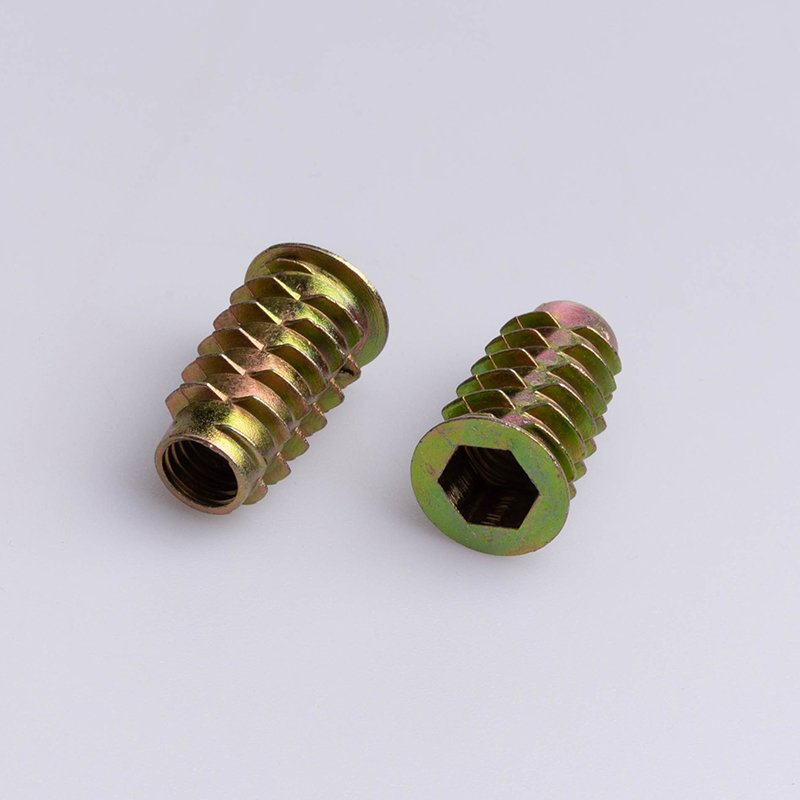
stable installation and fastening results.
Industry Applications
Industrial Machinery and Mechanical Equipment
Widely used in machine assemblies, equipment frames, brackets, and mechanical structures where high clamping force and dependable fastening are needed.
Automation Equipment and Fixture Systems
Commonly applied in automation units, jigs, fixtures, and positioning assemblies where compact installation and top drive access improve assembly efficiency.
Mold Components and Precision Mechanical Assemblies
Suitable for molds, tooling, housings, and precision parts that require stable fastening, repeatable tightening, and easier maintenance access.