

How It Works
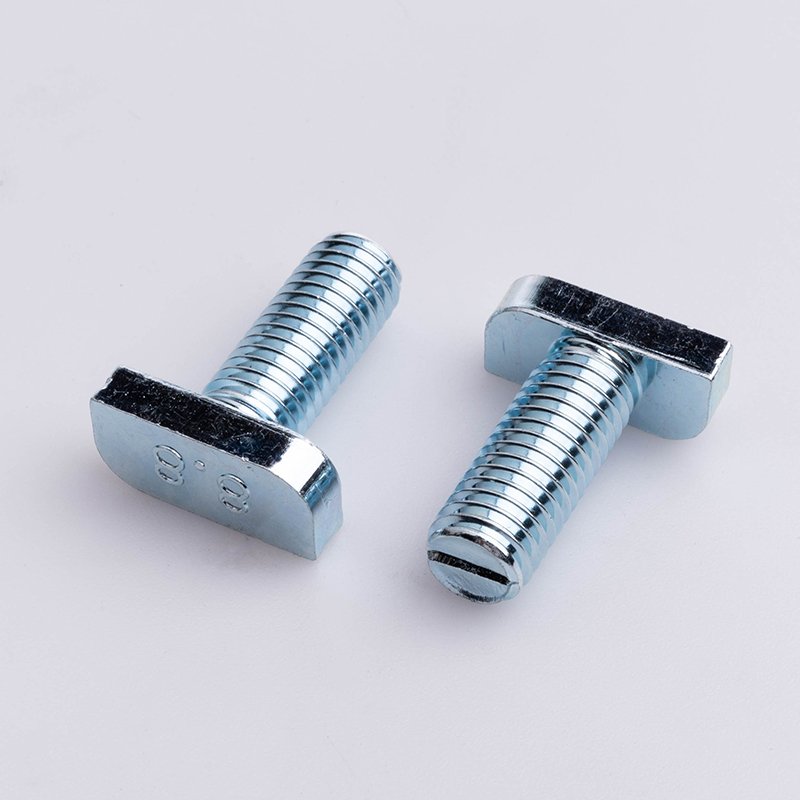
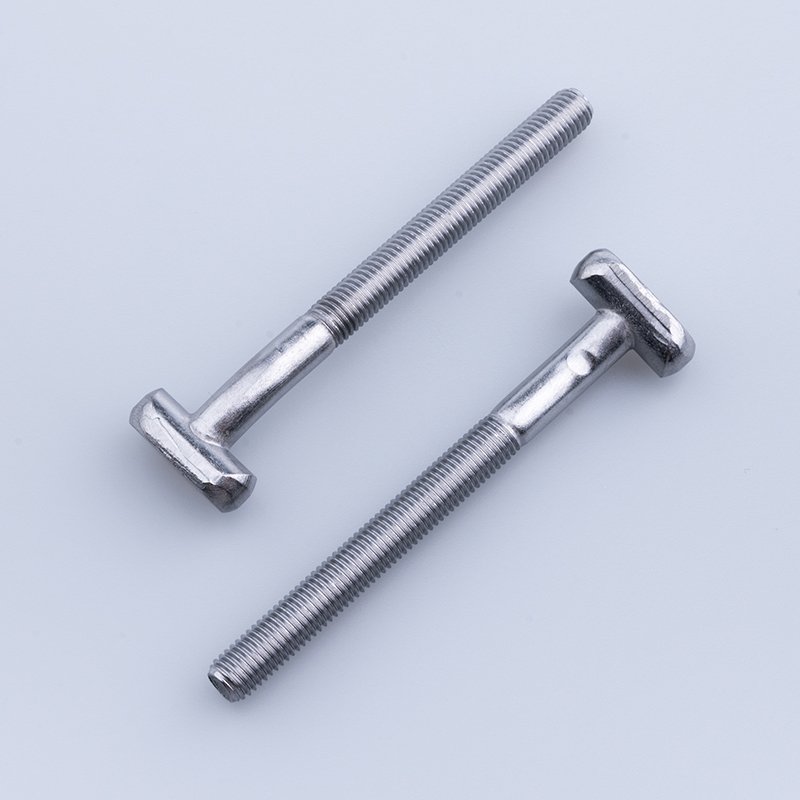
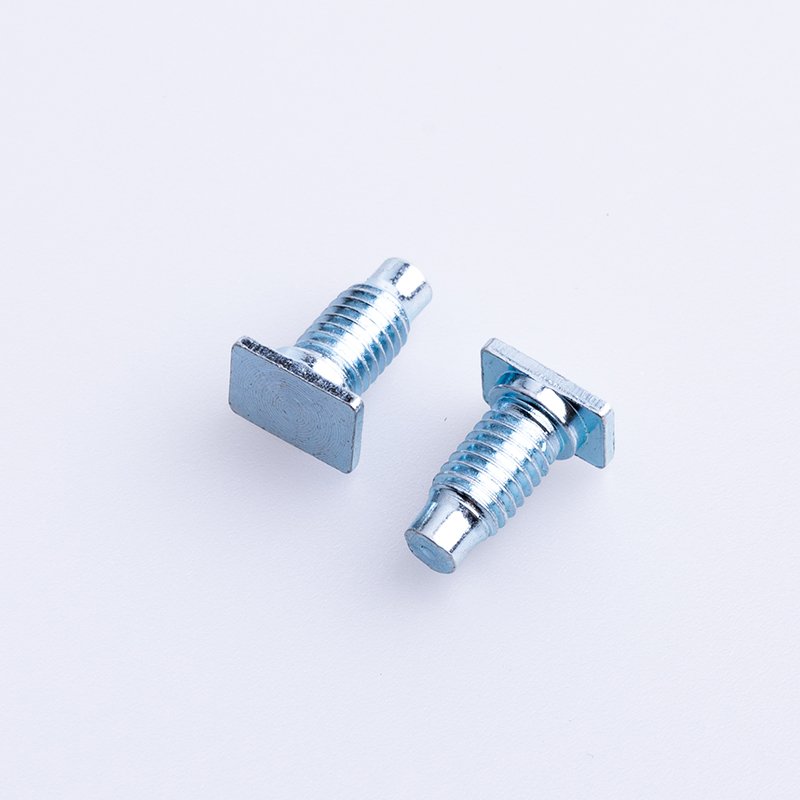
A T bolt works by using its head geometry as the functional locking and locating feature inside a slot or channel. Once inserted into the mating section, the head is held in position while the threaded portion is used for tightening and clamping. The performance of the part depends on the relationship between head width, head thickness, neck form, and the slot dimensions of the base structure. This makes T bolts a practical solution for modular frames, rail-based systems, and adjustable equipment structures.
Advantages
-
Reliable slot retention
tightening during assembly.
-
Efficient use in confined structures
T bolts are suitable for profile systems and enclosed assemblies where access is limited and standard bolt installation is less practical.
-
Flexible assembly positioning
easier alignment of connected parts.
-
Integrated structural fastening
The part combines positioning and clamping in one fastener, reducing the need for separate locating features in many assemblies.
Industry Applications
Aluminum Profile and T-Slot Systems
Widely used in aluminum extrusion frames, T-slot profile assemblies, and modular structures where T bolts provide secure slot engagement and adjustable fastening positions.
Jigs, Fixtures, and Machine Tables
Commonly applied in fixture systems, clamping setups, machine tables, and workholding assemblies where fast repositioning and stable locking are required.
Industrial Equipment and Mounting Applications
Suitable for machine frames, guards, support brackets, rails, and panel installations where slot mounted fasteners help improve assembly efficiency and adjustment flexibility.